Flea allergy dermatitis in dogs is a common condition caused by an allergic reaction to flea saliva. When fleas bite, the dog’s immune system reacts strongly, causing severe itching, inflammation, and discomfort. Flea allergy dermatitis can make your dog miserable and lead to skin infections if not properly managed.
 Treating FAD at home can provide relief for your dog while working alongside veterinary care. Using natural remedies, adjusting your dog’s diet, and exploring professional treatments can significantly help control the symptoms of this condition. At White Oak Animal Hospital, Dr. Damron takes a holistic approach, combining the best of Western veterinary practices with Traditional Chinese Veterinary Medicine (TCVM) and other alternative therapies. This article will share six proven natural treatments that can help soothe your dog’s skin, promote healing, and relieve the itch associated with FAD.
How to Treat Flea Allergy Dermatitis in Dogs at Home with Natural Remedies
There are several natural remedies you can use at home to treat flea allergy dermatitis in dogs. These treatments help reduce inflammation and soothe itching, making your dog more comfortable.
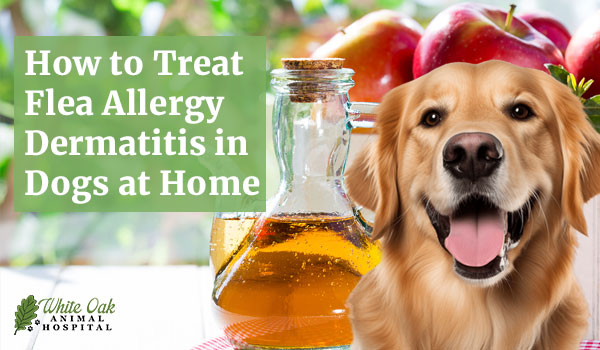
 One of the most effective home remedies is vinegar. Both apple cider vinegar and white vinegar can alleviate itching and promote healing. Apple cider vinegar is the healthiest choice, but it can stain light-colored coats. For white dogs, white vinegar is a better option. Simply mix equal parts of water and vinegar, and apply it to your dog’s skin with a soft cloth or spray bottle.
Oatmeal baths are another great remedy. Colloidal oatmeal, which is finely ground oatmeal, can be added to a warm bath to soothe irritated skin. This natural remedy is well-known for calming itchy and inflamed skin, especially in dogs suffering from flea allergy dermatitis.
Coconut oil is also beneficial for dogs with FAD. It has natural antifungal and anti-inflammatory properties, which help to calm the skin and reduce inflammation. Simply rub coconut oil into the affected areas to provide relief. Aloe vera gel, known for its cooling and healing properties, can also be applied to inflamed areas. This helps to reduce redness and irritation and encourages healing.
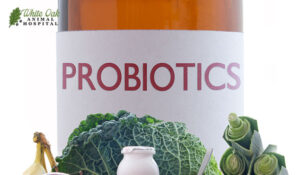 Another important aspect of managing FAD is supporting your dog’s digestive health. Probiotics help improve gut health, which in turn can help regulate the immune system and reduce the severity of allergic reactions. Dr. Damron suggests using probiotic supplements like PET | TAO Harmonize GI to improve your dog’s overall health, as a balanced gut flora can support the body in managing allergic reactions.
The Best Diet for Dogs with Flea Allergy Dermatitis
Diet plays an essential role in managing flea allergy dermatitis in dogs. Certain dietary changes can reduce inflammation and support skin health, helping your dog recover from FAD.
Dr. Damron recommends a limited-ingredient diet for dogs with flea allergy dermatitis. These diets focus on using fewer ingredients, which can help minimize the chance of triggering allergies. The fewer the ingredients, the less likely your dog is to experience flare-ups from allergens in their food.
 In addition to a limited-ingredient diet, it’s important to focus on high-quality protein sources. Proteins like chicken, turkey, and fish are great choices as they provide the amino acids necessary to repair and support healthy skin. High-quality fats, such as those found in fish oils, are also beneficial. These fats, particularly omega-3 fatty acids, are known for their anti-inflammatory properties and can help reduce itching and inflammation associated with FAD.
Supporting your dog’s gut health through probiotics and digestive enzymes can also aid in managing flea allergy dermatitis. Probiotics help balance the microbiome in the intestines, which is essential for the immune system’s response to allergens. Dr. Damron recommends adding these supplements to your dog’s diet to reduce allergic reactions and promote overall wellness.
Veterinary Treatments and Alternative Therapies for Flea Allergy Dermatitis
While natural remedies and dietary changes are important, professional treatments are often necessary to manage severe cases of flea allergy dermatitis in dogs. White Oak Animal Hospital offers a range of veterinary and alternative therapies to help treat FAD.
Cytopoint injections are a highly effective treatment for dogs suffering from flea allergy dermatitis. Cytopoint is a monoclonal antibody that targets interleukin-31, a protein responsible for sending itch signals to the brain. While Cytopoint does not kill fleas, it helps reduce the severe allergic reaction triggered by flea saliva. It is administered by a veterinarian during an office visit and typically lasts between 4 to 8 weeks. Cytopoint injections are an excellent option for dogs with chronic itching and inflammation.
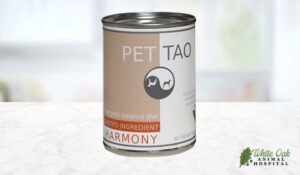 If you are a DIY type of person, you can easily make the recipe for a limited ingredient dog food at home in a slow cooker. Visit the PET | TAO Limited Ingredient Dog Food Recipe page for details. Or, you can purchase PET | TAO Limited Ingredient Dog Food online in our store. Dr. Damron created and recommends this food. It can help reduce allergy triggers through its simple, effective formulation.
Herbal remedies are also part of Dr. Damron’s holistic approach. Traditional Chinese Veterinary Medicine (TCVM) provides many natural options to treat FAD. Chinese herbs, such as Liu Wei Di Huang San and Rehmannia 6, are used to balance the body’s immune system and reduce inflammation. These herbs can help restore your dog’s overall health and prevent allergic reactions.
Acupuncture is another integrative treatment option that can help alleviate the symptoms of flea allergy dermatitis. By stimulating specific points along the body’s meridians, acupuncture helps reduce inflammation and improves circulation to the affected areas. This treatment is especially effective for dogs that suffer from chronic skin conditions.
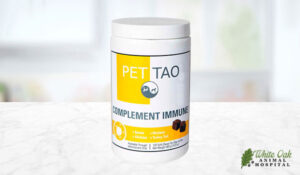 Additionally, supplementing with medicinal mushrooms can help dogs suffering from allergies. Medicinal mushrooms are known to ease inflammatory responses and alleviate allergy symptoms. Dr. Damron recommends PET | TAO Complement Immune Mushroom Blend, which provides a synergistic blend of top medicinal mushrooms. You can purchase Complement Immune over-the-counter without a veterinarian’s prescription. To learn more about how it can benefit your dog, visit PET | TAO’s website.
Another important TCVM approach is using lung treats. According to TCVM, the lung meridian is associated with skin conditions. Lung treats support both the lungs and the skin in a “like treats like” fashion. Dr. Damron recommends Lung Treats for their ability to help manage allergies.
 At White Oak Animal Hospital, we also offer telemedicine consultations, allowing you to consult with Dr. Damron remotely. During these consultations, we can create a personalized treatment plan for your dog, including recommendations for diet, herbs, and supplements to manage flea allergy dermatitis.
Flea allergy dermatitis can be a difficult condition for both dogs and their owners, but with the right combination of natural home remedies, dietary changes, and professional treatments, it can be managed effectively. Dr. Damron’s holistic approach integrates Western medicine and Traditional Chinese Veterinary Medicine (TCVM) to provide comprehensive care for your dog’s flea allergy dermatitis. By incorporating remedies such as vinegar solutions, oatmeal baths, and coconut oil, along with dietary support and professional treatments like Cytopoint, you can greatly reduce your dog’s symptoms and improve their comfort.
If your dog is suffering from flea allergy dermatitis, White Oak Animal Hospital is here to help. With over 28 years of experience in integrative veterinary care, we offer personalized treatment plans designed to provide long-term relief. Contact us today to schedule an appointment or telemedicine consultation, and let us help you find the right solutions for your dog’s health.
Frequently Asked Questions
What is flea allergy dermatitis (FAD) in dogs?
Flea allergy dermatitis is an allergic reaction caused by flea saliva. It leads to intense itching, inflammation, and skin damage. The condition is common in dogs with flea infestations, especially in allergic breeds.
How can I treat flea allergy dermatitis in dogs at home?
You can use several home remedies like vinegar solutions, oatmeal baths, coconut oil, and aloe vera to relieve your dog’s symptoms. These remedies can reduce itching and inflammation and promote healing.
Is diet important for treating flea allergy dermatitis?
Yes, diet plays a crucial role. A limited-ingredient diet, high-quality protein, and omega-3 fatty acids help reduce inflammation and support skin health. Probiotics can also help manage the immune response to allergens.
What is Cytopoint, and how does it help with flea allergy dermatitis?
Cytopoint is a monoclonal antibody injection that helps reduce itching and inflammation caused by flea allergy dermatitis. It does not kill fleas but alleviates the allergic reaction caused by flea saliva. It lasts for 4 to 8 weeks and should be used alongside flea prevention.
How can White Oak Animal Hospital help with my dog’s flea allergy dermatitis?
White Oak Animal Hospital offers a holistic approach to managing flea allergy dermatitis. We combine natural home remedies, dietary adjustments, acupuncture, herbal treatments, and professional veterinary care, including Cytopoint injections. Telemedicine consultations are also available for convenient remote care.