
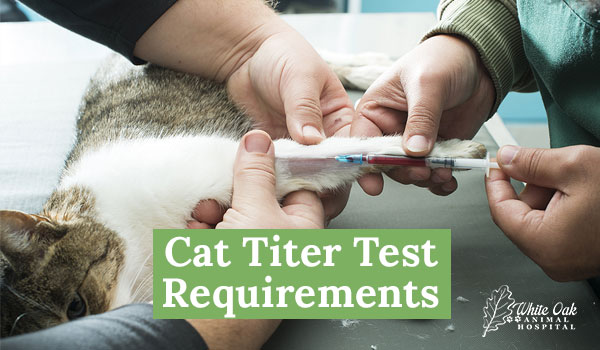
Cat titer test requirements matter for any pet owner in Fairview, TN who wants the best for their cat’s health without unnecessary vaccines. A cat titer test is a simple blood test that shows how many antibodies your cat has against common diseases. Antibodies are proteins that fight infection and provide protection after vaccination or natural exposure. When the test shows strong immunity, your cat may not need another booster right away.
 Many people are concerned about overvaccination, while others worry about disease risk. Both concerns are real. The traditional approach has been to give vaccines on a set schedule, regardless of the cat’s history. At White Oak Animal Hospital, we follow a more thoughtful path. We use Western Veterinary Medicine through advanced laboratory testing, but we also include Traditional Chinese Veterinary Medicine and Alternative Treatments when building care plans.
When you understand cat titer test requirements, you can reduce unnecessary vaccines, protect your cat from reactions, and create a tailored health plan. This article explains how titer tests work, why they matter, and the surprising benefits they offer when integrated into personalized care at White Oak Animal Hospital.
Cat Titer Test Requirements Explained Clearly
 Cat titer test requirements begin with understanding what titers are and what they measure. A titer test measures antibodies in the blood, which reflect your cat’s immune status. The process is simple. A small blood sample is drawn and then sent to an accredited lab such as Kansas State Veterinary Diagnostic Laboratory or Idexx. These facilities test for antibody levels that show how much protection remains.
Cat titer test requirements include the proper handling of samples, choosing the right laboratory, and interpreting results accurately. This is important because not all labs follow the same standards. At White Oak Animal Hospital, we only use trusted partners who provide consistent results. Timing also matters. Titers are best checked after kittens complete their initial vaccine series and again for adult cats who may be overdue for boosters.
The most common tests in cats include the FVRCP vaccine group, which protects against feline viral rhinotracheitis, calicivirus, and panleukopenia. Rabies titers can also be measured, though in Tennessee the law requires rabies vaccination regardless of titer levels. In some cases, toxoplasmosis testing may be recommended when risk factors are present. These antibody tests confirm protection and help us decide if another vaccine is necessary.
Unlike a fixed schedule, cat titer test requirements give you a window into your cat’s actual immunity. Some cats remain well protected for years, while others may need a booster sooner. This approach keeps cats safe without adding unnecessary shots. By following these requirements, we can make decisions based on your cat’s individual needs, not just a standard chart.
Cat Titer Test Requirements for Smarter Vaccine Decisions
 Cat titer test requirements provide the tools needed to make smarter decisions about vaccines. Instead of repeating shots on autopilot, we can use titer results to guide the timing. This is especially useful for cats who live mostly indoors or for senior cats whose immune systems may not respond well to repeated vaccines.
Many cats are sensitive to vaccines. Reactions may be rare, but they can still cause discomfort or illness. Cat titer test requirements allow us to avoid unnecessary boosters in cats who already have immunity. For cats with chronic conditions or immune system concerns, this approach is safer and more thoughtful than automatically giving another injection.
Lifestyle and location also play a role. Cats in Fairview may face different risks depending on how much time they spend outdoors. By applying cat titer test requirements, we can tailor vaccine recommendations based on exposure risks in Tennessee. This helps balance protection with safety.
 Rabies is one area where the law is clear. Vaccination is legally required, and titers cannot replace compliance with state rules. Still, rabies titers are valuable for international travel and for checking immunity when needed. Cat titer test requirements help pet owners understand this balance between public health rules and individual care.
At White Oak Animal Hospital, we work with Western Veterinary Medicine labs like Kansas State University to meet high standards. Results from these accredited labs provide confidence that the recommendations we make are accurate and safe. Cat titer test requirements are not about avoiding vaccines altogether. They are about using them wisely, based on your cat’s actual immune status.
5 Surprising Benefits of Cat Titer Test Requirements
The benefits of following cat titer test requirements go beyond avoiding unnecessary vaccines. They create a safer and smarter approach to preventive care.
One surprising benefit is the reduced risk of vaccine reactions. Even though vaccines are considered safe, some cats experience fatigue, swelling, or more serious responses. With titer testing, we can identify immunity and avoid repeat shots when they are not needed. This lowers the chance of a reaction while keeping protection in place.
 Another benefit is proof of long-lasting immunity. Research shows that many cats maintain antibodies for years after their last vaccine. Cat titer test requirements reveal when protection is still active, saving cats from shots they do not need. This keeps care personalized and reduces stress on the body.
Cat titer test requirements also make it easier to build tailored health plans. At White Oak Animal Hospital, we integrate Western diagnostics with therapies like acupuncture, food therapy, and herbal medicine. Titer results fit naturally into this model. They tell us what vaccines are still working, so we can focus on other aspects of health support without unnecessary overlap.
Cost is another factor. While the upfront cost of a titer test may be higher than a booster, the long-term savings are significant. Fewer vaccines mean fewer clinic visits and fewer chances of side effects. For senior cats or those with sensitive systems, this is an important benefit.
Finally, cat titer test requirements improve monitoring for cats with uncertain histories. Rescue cats, senior pets, and those preparing for travel can all benefit from knowing their immune status. Rabies titers may be required for international travel to certain countries, making this test an important step in meeting global regulations. These benefits show how a small test can provide big advantages in preventive care.
Conclusion
Cat titer test requirements are one of the most reliable ways to know if your cat is protected. They reduce unnecessary vaccines, prevent possible reactions, and support personalized health care. This approach gives pet owners confidence while keeping cats safe from serious diseases.
 At White Oak Animal Hospital, we have served Fairview, TN families for over 28 years. Our team uses vaccination and titer services as part of a balanced care plan. We combine advanced laboratory testing with Traditional Chinese Veterinary Medicine and Alternative Treatments to create tailored options for every cat.
Cat titer test requirements help us minimize interventions while still protecting your pet. This is preventive medicine that respects the individual. If your cat is due for a booster, schedule a titer test first. Together we can create a care plan that fits your cat’s needs and keeps them safe.
Frequently Asked Questions
What is the difference between a vaccine and a titer test for cats?
A vaccine stimulates the immune system to produce antibodies, while cat titer test requirements measure if those antibodies are still present. Vaccines create protection, but titers confirm if the protection is still active.
How often should cats have a titer test done?
Cat titer test requirements recommend annual testing after the initial booster series. Some cats may remain immune for several years, while others need earlier boosters. The timing depends on age, health, and lifestyle.
Can a titer test replace rabies vaccination for cats?
No. Rabies vaccination is required by law in Tennessee. Cat titer test requirements allow measurement of rabies antibodies, but they cannot take the place of an official rabies vaccine. Rabies titers are useful for travel and for monitoring immunity, but they do not change legal requirements.
Are titer tests safe for senior cats?
Yes. Cat titer test requirements are safe for older cats and are especially helpful for those with health concerns. A simple blood draw is easier on the body than another vaccine, especially if antibodies are still present.
How does White Oak Animal Hospital handle cat titer testing differently?
At White Oak, we send titer samples to accredited labs such as Kansas State Veterinary Diagnostic Laboratory. We then interpret the results within an integrative care plan. This means your cat’s immunity is evaluated alongside nutrition, Western Veterinary Medicine, and holistic support. Our approach ensures results guide real, personalized health decisions.