When I talk with clients about bladder infections in dogs, I often find they are more common than most people realize. If not addressed early, these infections can progress and affect your dog’s comfort, urinary health, and even the kidneys over time.
A bladder infection occurs when bacteria enter and multiply within the bladder, leading to inflammation, which we call cystitis. When that inflammation sets in, your dog may feel discomfort, urgency, and irritation that can quickly impact daily life.

What I want you to understand is that early recognition makes a significant difference. When you catch the signs of bladder infections in dogs early, you can often prevent more serious complications, such as kidney involvement or chronic urinary issues.
In this article, I’ll walk you through five warning signs of bladder infections in dogs that you should never ignore. These are the signs I look for in practice, and the ones I want you to be aware of at home. I’ll also share how we approach treatment at White Oak Animal Hospital. From an integrative perspective, we combine Western diagnostics and treatment with holistic therapies to support your dog’s urinary health more completely.
By addressing both the infection and the underlying imbalance, we can help your dog feel better more quickly and reduce the likelihood of recurrence.
Bladder infections in dogs are more common than many pet owners realize. If left untreated, these infections can escalate into more serious conditions, such as kidney infections or urinary tract disease. When bacteria infect the bladder, it causes cystitis, which can make your dog uncomfortable and, if untreated, lead to long-term health complications.
Early Warning Signs of Bladder Infections in Dogs
When I evaluate bladder infections in dogs, I am looking at more than just the presence of bacteria. I am looking at how your dog is responding and what early signs your dog is showing at home.
Bladder infections in dogs, also called cystitis, occur when bacteria enter the urinary tract and cause inflammation in the bladder. That inflammation is what leads to discomfort, urgency, and changes in your dog’s normal habits.
What I want you to realize is that the early signs of bladder infections in dogs are often subtle, but they matter.
1. Urinating More Frequently
One of the most common things I hear from clients is that their dog is urinating more frequently. You may notice your dog asking to go outside more often or squatting repeatedly without producing much urine. That urgency is a key sign. One of the primary signs of bladder infections in dogs is frequent urination. You may notice your dog needing to urinate more often than usual, or they may struggle to fully empty their bladder.
2. Accidents in the House
Another sign I want you to pay close attention to is accidents in the house, especially if your dog has been reliably house-trained. If your dog suddenly starts urinating indoors, it is often not a behavior issue. In many cases, it is because your dog cannot comfortably hold urine due to urgency or irritation associated with bladder infections in dogs.
From my perspective, this is your dog’s body responding to inflammation in the bladder. That constant urge to urinate can make it difficult for your dog to wait, even if they have always had good habits.
If you notice this change, I encourage you to look at it as a medical clue rather than a training problem.
3. Changes in Urine
One of the things I always tell clients to watch for is changes in their dog’s urine. This can be one of the earliest and most important signs of a bladder infection. You may notice blood in the urine or a darker color than usual. While that can be alarming to see, it is your dog’s way of signaling inflammation and irritation within the bladder.
From my perspective, these changes are valuable clues. They tell me the bladder lining is likely inflamed and that something is disrupting normal urinary function. If you notice any change in your dog’s urine, whether it is color, clarity, or frequency, it is worth having your dog evaluated. Catching bladder infections in dogs early allows us to address the issue quickly and help your dog feel more comfortable sooner.
4. Increased Licking Around the Genital Area
Another sign I want you to watch for is increased licking around the genital area. This is often your dog’s way of responding to irritation or discomfort associated with bladder infections in dogs.
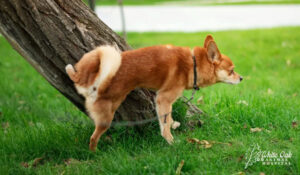
In some cases, your dog may vocalize: whining or showing signs of pain when urinating. That tells me the inflammation is significant enough to cause discomfort during the process. You may also notice accidents in the house, even in a well-trained dog, because the urge to urinate becomes difficult to control.
From an integrative perspective, these signs are your dog’s way of communicating imbalance in the urinary system. The earlier we recognize those signals, the easier it is to intervene and restore comfort.
5. Whining or Crying While Urinating
Additionally, you may notice your dog whining or crying while urinating. This pain or discomfort during urination is often an indicator of cystitis or another urinary issue. Dogs with bladder infections may also have more indoor accidents, especially if they are having difficulty making it outside in time because of the urgency of their need to urinate.
Recognizing these signs early is essential to preventing more severe issues, such as kidney infections. If you notice any of these symptoms, it’s a good idea to have your dog evaluated by a veterinarian to confirm if a bladder infection is the cause and to begin treatment promptly. I recommend having your dog evaluated sooner rather than later. Addressing bladder infections in dogs early can help prevent more serious complications, including kidney involvement or recurrent urinary issues.
How Bladder Infections in Dogs Are Diagnosed and Treated
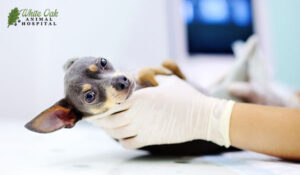
When I am working up bladder infections in dogs, the first step is always a thorough evaluation. I want to understand not just what is happening in the bladder, but why your dog developed the issue in the first place.
Physical Exam and Urine Sample
We typically begin with a physical exam and a urine sample. That sample allows me to look for bacteria, blood, inflammatory cells, and other indicators of infection. It gives us a clear picture of what your dog’s urinary system is dealing with.
In many cases, I will also recommend a urine culture. This test helps identify the exact bacteria involved, which allows me to choose the most appropriate treatment rather than guessing. That precision is important, especially if we want to resolve the infection fully and reduce the risk of recurrence.
X-Rays and Ultrasound (If Needed)
Depending on what I find, I may also suggest imaging, such as X-rays or ultrasound. These tools help me look deeper, checking for bladder stones, structural changes, or other underlying issues that may be contributing to bladder infections in dogs.
From an integrative perspective, diagnostics are not just about confirming infection. They help us understand the bigger picture. Once we know what is going on, we can build a plan that not only clears the infection but also supports your dog’s urinary health long term.
The goal is always the same: get your dog comfortable as quickly as possible while also addressing the underlying cause so the problem does not keep coming back.
Treating Bladder Infections in Dogs

I focus treatment for bladder infections in dogs on two things: clearing the infection and keeping your dog comfortable while the body heals.
Antibiotics
If bacteria are present, antibiotics are often necessary. I base that decision on your dog’s urine culture whenever possible, so we are using the most appropriate medication for the specific bacteria involved. That targeted approach helps us resolve the infection more effectively and reduce the risk of resistance or recurrence.
Pain Relief
At the same time, I do not overlook comfort. Many dogs with bladder infections experience irritation and inflammation, which can make urination painful. Supporting your dog with appropriate pain relief or anti-inflammatory support can make a big difference in how they feel during recovery. We offer natural methods of pain relief if you prefer natural over pharmaceutical.
Preventing Future Infections
What I want you to understand is that treating the infection is only part of the picture. If we stop there, some dogs will continue to have repeat issues.
From an integrative perspective, I also focus on why your dog developed the infection in the first place. That may include looking at:
- Diet and moisture intake to support urinary health
- Bladder environment and pH balance
- Stress or lifestyle factors that may contribute to imbalance
- Underlying issues like stones or structural changes
Left unaddressed, bladder infections in dogs can lead to more serious concerns, including bladder stones, kidney involvement, or chronic urinary problems. That is why a complete approach matters.
Preventive care is just as important as treatment. Depending on your dog, I may recommend dietary adjustments, increased hydration, or targeted supplements to help support the urinary tract and reduce the chance of future infections.
The goal is not just to clear the current infection, but to help your dog stay comfortable, balanced, and less likely to experience this again.
Integrating Western and Holistic Approaches to Treat Bladder Infections in Dogs
I take an integrative approach when treating bladder infections in dogs because your dog benefits most when we address both the immediate problem and the underlying cause.
From a Western medicine standpoint, treating the active infection is the priority. If bacteria are present, I will often prescribe antibiotics based on your dog’s specific findings, especially if we have culture results. This helps clear the infection efficiently and reduces the risk of it spreading to the kidneys or becoming more serious.
I also focus on your dog’s comfort. Inflammation in the bladder can be painful, so supporting that with appropriate anti-inflammatory care helps your dog feel better while healing.
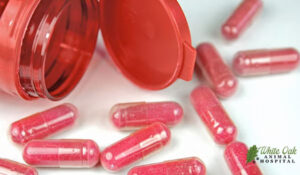
But I do not stop there.
From an integrative and TCVM perspective, I look at how we can support your dog’s body more completely, so we are not just treating the infection, but helping prevent it from coming back.
Acupuncture & Herbal Supplements
Sometimes I use acupuncture. It helps improve circulation to the urinary system, reduce inflammation, and restore balance within the body. Many dogs relax during treatment, and it can significantly improve comfort as the bladder heals.
Herbal therapy is another important piece. I often use carefully selected herbs to support the urinary tract, reduce irritation, and promote healing. Some commonly used herbs include:
- Uva ursi to support a healthy urinary environment
- Corn silk to soothe irritation within the bladder
- Marshmallow root to help protect and calm inflamed tissues
These herbs can support the body alongside conventional treatment, helping reduce inflammation, support the immune response, and improve overall recovery. We carry a product in-clinic, Soothe Bladder, that contains all three.
When you combine Western diagnostics and treatment with integrative therapies, you create a more complete plan. The goal is not just short-term relief but also to help your dog maintain long-term urinary health and reduce the likelihood of recurring bladder infections.
My focus is always on helping your dog feel better, heal fully, and stay balanced moving forward.
Food Therapy
Food therapy plays a critical role in how I manage and prevent bladder infections in dogs. What your dog eats and how much moisture they are getting directly impact urinary health, inflammation, and the risk of recurrence.
From a Western standpoint, prescription urinary diets can be very helpful in certain cases. These diets are designed to support urine dilution, manage mineral balance, and reduce the risk of crystal and stone formation. When used appropriately, they can be an important part of stabilizing your dog’s condition.
At the same time, I often incorporate TCVM food therapy, including options like PET | TAO, to support your dog more holistically. We can even teach you how to cook energetically-appropriate diets at home for your dog. In TCVM, we use food energetics to help restore balance, support organ systems, and reduce patterns that contribute to inflammation and urinary tract irritation.
However, one of the most important things I want you to focus on is hydration.
Hydration
Many dogs eating primarily dry kibble live in a state of chronic, mild dehydration. Kibble contains very little moisture, and most dogs do not naturally drink enough water to make up the difference. Over time, this leads to more concentrated urine, which creates an environment where bacteria, crystals, and irritation are more likely to develop.
That is why I recommend a few simple but powerful steps:
- Incorporate wet or moisture-rich foods whenever possible
- Add water or low-sodium broth to meals (even if feeding kibble)
- Encourage your dog to drink more water throughout the day
Some easy ways to help your dog drink more include offering fresh water frequently, using multiple water bowls, adding a splash of broth for flavor, or even using pet water fountains for dogs that need encouragement.

Even small changes in hydration can make a meaningful difference. When your dog is properly hydrated, urine is more diluted, the bladder is flushed more regularly, and the urinary tract is better protected.
At White Oak Animal Hospital, I tailor nutrition plans to your dog’s individual needs. Some dogs benefit more from prescription diets, others from TCVM-based nutrition, and many do best with a combination of both. The key is personalization.
When we combine appropriate medical care with targeted nutrition and proper hydration, we are not just addressing bladder infections in dogs in the moment—we are helping prevent them from coming back.
My goal is to help your dog stay comfortable, balanced, and supported for the long term.
In-Clinic Visits and Telemedicine Consultations
One thing I want you to know for sure is that you do not have to manage bladder infections in dogs on your own. And, you do not always have to come into the clinic for every step.
With telemedicine, I can stay connected with you and your dog throughout the process. That allows me to monitor progress, adjust your dog’s treatment plan as needed, and guide you in real time, all from the comfort of your home. This kind of ongoing support is important. It helps us catch changes early, fine-tune care, and ensure your dog continues to improve. It also gives you peace of mind, knowing you have a plan and someone to turn to if questions come up.
I also want you to realize that bladder infections in dogs can become serious if left unaddressed. They can cause significant discomfort and, in some cases, lead to more advanced issues involving the bladder or kidneys. That is why early recognition and prompt care matter.
At White Oak Animal Hospital, we take a comprehensive, integrative approach. We combine Western diagnostics and treatment to address the active infection. We also include holistic therapies that support your dog’s body in the long term.
By addressing both the immediate problem and the underlying causes, we can help your dog feel better more quickly and reduce the likelihood of future bladder infections.
My goal is simple: keep your dog comfortable, supported, and on a path to lasting health.

With over 28 years of experience in veterinary care, I want you to know that no two dogs are exactly the same. That is why I take a personalized approach when managing bladder infections in dogs.
Your dog’s care plan is built around their specific needs. I combine Western diagnostics and treatment with integrative therapies to support recovery, improve comfort, and help reduce the risk of future infections.
That plan may include targeted medications when needed, along with acupuncture, herbal support, and food therapy to help restore balance and strengthen your dog’s overall health.
I also offer telemedicine consultations, so you can stay on track with your dog’s care from home. This allows me to monitor progress, make adjustments, and guide you without unnecessary stress for you or your dog.
If you suspect your dog may be dealing with bladder infections, or if you want to be proactive about prevention, I encourage you to reach out. At White Oak Animal Hospital, we are here to help you every step of the way. You can call us anytime at 615-799-7981 to schedule an in-clinic or telemedicine appointment or contact us by email.
My goal is to help your dog stay comfortable, healthy, and supported so you can enjoy more good days together.
Frequently Asked Questions
What are the signs of bladder infections in dogs?
When I evaluate bladder infections in dogs, I often see a consistent set of signs. You may notice your dog urinating more frequently, having accidents in the house, or struggling to fully empty the bladder. Other common signs include blood in the urine, darker urine, licking around the genital area, or vocalizing during urination. These are all indicators that your dog is experiencing irritation or discomfort. If you are seeing any of these changes, I recommend having your dog evaluated. Catching bladder infections in dogs early makes treatment easier and helps prevent complications.
Can bladder infections in dogs be treated at home?
In most cases, bladder infections in dogs do require veterinary treatment, especially if bacteria are involved. Antibiotics are often necessary to fully clear the infection. That said, there are supportive steps you can take at home. Improving hydration, adding moisture to your dog’s diet, and supporting urinary health through nutrition can all help your dog recover more comfortably. From an integrative perspective, I use home support alongside medical treatment, not as a replacement. Proper diagnosis is essential so we know exactly what we are treating.
How are bladder infections diagnosed in dogs?
To diagnose bladder infections in dogs, I start with a physical exam and a urine sample. That allows me to look for bacteria, blood, and signs of inflammation. In many cases, I also recommend a urine culture. This helps identify the exact bacteria involved so we can choose the most effective treatment. If I suspect an underlying issue, such as stones or structural concerns, I may recommend imaging like X-rays or an ultrasound. The goal is to understand not just the infection, but why it occurred.
How can I prevent bladder infections in dogs?
Preventing bladder infections in dogs starts with supporting the urinary system daily.
I focus on a few key areas:
- Keeping your dog well hydrated
- Feeding a balanced, moisture-rich diet
- Supporting urinary health through nutrition and, when appropriate, supplements
- Monitoring for early changes in urination habits
Regular veterinary check-ups also play an important role. From an integrative perspective, prevention is about maintaining balance so your dog is less likely to develop recurring issues.
Can holistic treatments help bladder infections in dogs?
Yes, holistic therapies can be very helpful when managing bladder infections in dogs, especially as part of a comprehensive plan. I often incorporate therapies such as acupuncture, herbal medicine, and TCVM food therapy alongside Western treatment. These approaches help reduce inflammation, support the bladder lining, and improve overall urinary tract function. The goal is not just to treat the infection, but to support your dog’s body in a way that reduces the likelihood of it coming back. When used together, integrative care can provide more complete and lasting results.