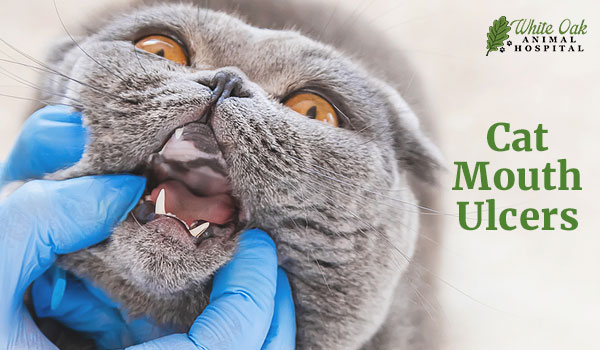
Oral ulcers and sores in cats are painful lesions that affect the soft tissues of the mouth. These spots can form on the tongue, gums, lips, or roof of the mouth and often indicate something deeper going on inside the body. They are not always easy to detect until a cat stops eating or begins to paw at its mouth. Many pet owners notice symptoms only after their cat has already started to lose weight or show signs of pain.
 Oral ulcers and sores in cats are especially common in older cats, those with weakened immune systems, or those battling underlying conditions. At White Oak Animal Hospital, we approach this issue by combining Western veterinary medicine with acupuncture, herbal therapies, and Traditional Chinese Veterinary Medicine. This integrative method supports healing from more than one direction. It lets us treat pain and inflammation without relying entirely on steroids or antibiotics.
In this article, we explain what these ulcers actually mean, share six overlooked causes, and explain how we use integrative treatment to help cats heal comfortably and safely.
What Oral Ulcers and Sores in Cats Actually Mean
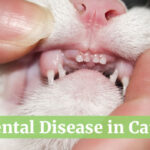
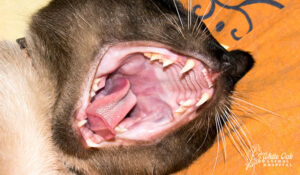 Oral ulcers and sores in cats usually start as inflamed, reddish spots. These spots can break open and expose sensitive tissue underneath. An ulcer is a deeper wound that often causes erosion or death of the surface tissue. A sore may look less severe on the outside but can still affect the way a cat eats, grooms, or interacts.
In some cases, oral ulcers and sores in cats are found under the tongue or along the gums. They may appear around the inner cheeks or the roof of the mouth. These sores are hard to spot unless you know what to look for, and most cats will resist having their mouth handled. Some cats become aggressive simply because they are in pain and don’t know how to show it.
 Signs of oral ulcers and sores in cats include drooling, bad breath, and reduced interest in food. You may also notice blood-tinged saliva or a change in grooming habits. A cat that usually keeps its fur clean may suddenly look unkempt. Some will paw at their face or rub it against the ground to relieve discomfort.
Oral ulcers and sores in cats often start slowly, but they can worsen without warning. A cat might begin to lose weight quickly or show signs of swelling around the jaw. These symptoms suggest more than just a surface-level issue.
6 Hidden Causes of Oral Ulcers and Sores in Cats
Understanding what causes these mouth lesions is not always straightforward. Oral ulcers and sores in cats can result from infections, immune problems, or internal disease. These are six causes we frequently see in cats that are missed or misidentified at first.
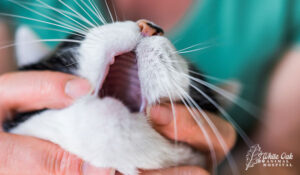 Feline caudal stomatitis is one of the more painful sources of oral ulcers and sores in cats. It occurs when a cat’s immune system begins to react to its own teeth. The inflammation typically begins in the back of the mouth, near the molars. This condition is often confused with regular dental disease, but it involves a more severe immune response. In some cases, cats need full-mouth extractions to get relief.
Juvenile gingivitis and periodontitis can appear in young cats, especially as their adult teeth emerge. These conditions lead to inflamed gums that can worsen quickly. If untreated, they can develop into deeper infections or cause permanent damage to the teeth and jaw. Oral ulcers and sores in cats under a year old are often written off as teething problems, which can delay treatment.
Viral infections are another common cause. Calicivirus is a frequent culprit and often produces ulcers on the tongue. Feline immunodeficiency virus (FIV) and feline leukemia virus (FeLV) also weaken the immune system, making it easier for ulcers to form. These viruses create chronic inflammation that leads to recurring mouth problems. In some cats, the sores come and go depending on how well the immune system is holding up.
 Kidney disease may not seem like a direct link, but it plays a role in some cases. When kidney function declines, toxins build up in the blood. These toxins irritate the lining of the mouth and can lead to ulcers. This connection isn’t always obvious at first, but it becomes clear during lab testing. Cats with kidney disease often show other signs, such as nausea, appetite changes, and bad breath. This guide from the Merck Veterinary Manual explains how systemic illness impacts oral health.
Allergies can also play a part. Some cats develop oral ulcers as part of an allergic reaction, especially those with eosinophilic granuloma complex. These immune-mediated responses may be triggered by food, fleas, or environmental allergens. The result is often a reddish, swollen area on the lip or tongue. These spots are painful and may cause the cat to stop eating. Oral ulcers and sores in cats with allergies may also appear with skin lesions or ear infections.
A lesser-known cause is a condition called chronic ulcerative paradental stomatitis. Although this is more common in dogs, cats can present similar symptoms. This condition involves a strong immune response to plaque near the gums. Cats with this issue often have ulcers right where the teeth meet the gum line. These ulcers may look like gingivitis but are deeper and harder to treat with standard cleanings. According to PetMD, stomatitis and related conditions require an aggressive approach to control.
Each of these causes affects the mouth differently, but they all lead to pain, inflammation, and eating problems. Oral ulcers and sores in cats must be taken seriously, especially if they do not respond to routine dental care.
Integrative Treatment Plans for Feline Mouth Sores
At White Oak Animal Hospital, we treat feline mouth sores using a mix of modern diagnostics and ancient therapies. This integrative care allows us to build treatment plans that address pain, infection, and immune balance. By using both Western medicine and Traditional Chinese Veterinary Medicine, we help cats feel better faster and with fewer side effects.
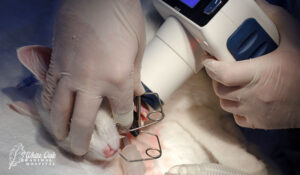 When a cat comes in with mouth pain, we start with diagnostics. We perform a full oral exam, using sedation if necessary. Dental X-rays help us assess tooth roots and bone changes. Blood tests tell us about organ function and look for viruses like FIV or FeLV. In some cases, we send out biopsies of the sore to confirm a diagnosis.
Once we know the cause, we build a care plan. For feline mouth sores caused by immune issues, we may start with acupuncture. This helps control pain and inflammation without adding more medications. We use points that support the liver, kidneys, and immune function. Most cats tolerate acupuncture well, and it can be repeated every few weeks.
 Herbal medicine comes next. We select Chinese herbs that match the cat’s pattern of imbalance. These may cool internal heat, reduce swelling, or strengthen the immune response. Herbal therapy is especially helpful for cats that cannot tolerate steroids or need long-term care.
Diet is also a key part of our plan. For cats with inflammation or allergy-driven sores, we may recommend cooling proteins or novel diets. Feline mouth sores often respond to food therapy, especially when tied to digestive or immune patterns. We help pet parents choose diets that fit their cat’s needs and work with any existing health conditions.
For severe cases like caudal stomatitis, we sometimes recommend full-mouth extractions. While this sounds aggressive, it can eliminate the source of inflammation. We support recovery with acupuncture, herbal tonics, and pain control. Cats often do better than expected and return to eating comfortably.
Feline mouth sores are a long-term problem for many cats. Our goal is to build a plan that makes life easier. We adjust therapies over time, checking in regularly and refining the approach. Many cats improve with a mix of Western and alternative treatments that support healing from different angles.
Why Early Care Matters for Oral Ulcers in Cats
 Cats are good at hiding discomfort, which makes it easy to miss the early stages of illness. Oral ulcers and sores in cats often go unnoticed until they start affecting appetite, grooming, or behavior. Once symptoms appear, the pain can be intense. Eating becomes difficult, grooming stops, and energy levels drop.
At White Oak Animal Hospital, we’ve spent over 28 years helping cats recover from oral disease. Our integrative approach combines the best of both medical systems. We offer in-person care as well as TCVM telemedicine consults for those who want to begin treatment from home.
 Oral ulcers and sores in cats can usually be managed, but only if the right cause is found. Treating symptoms is not enough. We focus on building a complete picture so we can offer lasting relief.
If your cat is drooling, refusing food, or pawing at its face, it’s time to schedule a consult. Let’s create a plan that helps your cat eat, groom, and feel comfortable again.
Frequently Asked Questions
Can oral ulcers in cats heal on their own?
Most do not. Oral ulcers in cats are usually part of a bigger problem. Without treatment, they often return or get worse. Getting an early diagnosis makes a big difference.
Are feline mouth sores always caused by dental issues?
No. While dental problems are common, feline mouth sores can also come from viruses, immune disorders, allergies, or internal disease. It depends on the cat’s overall health.
How can I tell if my cat has mouth ulcers at home?
Watch for signs like drooling, refusal to eat, pawing at the mouth, or a sudden change in grooming habits. Bad breath or weight loss can also point to ulcers.
Are integrative treatments like acupuncture safe for cats?
Yes. Acupuncture is very safe when done by a trained veterinary professional. Many cats tolerate it well, and some even relax during treatment.
What’s the most effective treatment for feline caudal stomatitis?
The most effective approach is usually full-mouth extraction. We follow this with herbal support and acupuncture to reduce pain and lower the chance of relapse.