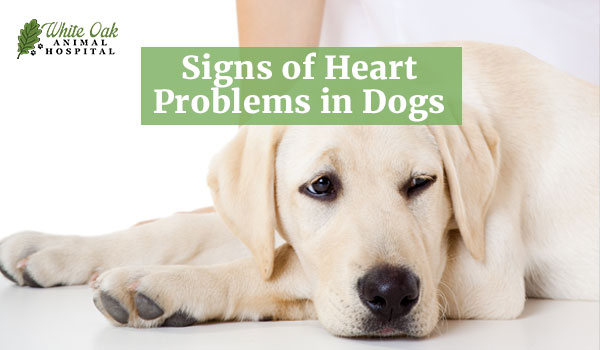
When I talk with clients about the signs of heart problems in dogs, one of the most important things I explain is that the signs are often very subtle at first. They do not usually show up all at once. Instead, your dog may start to slow down a little, breathe a bit heavier, or sleep more than usual. These changes can be easy to overlook because they happen gradually, and your dog does a very good job of adapting. Dogs compensate well until they cannot. By the time more obvious signs appear (coughing, collapse, or fluid buildup), our options can become more limited.
From a conventional standpoint, we rely on findings such as heart sounds, murmurs, changes in rhythm, and imaging. Those are all important, and I use them every day. But early on, they do not always tell the full story. This is where an integrative approach becomes valuable. I look at circulation, inflammation, stress load, and metabolic function together. This allows me to identify early imbalances before they become more advanced problems.
 What I want you to realize is that the signs of heart disease in dogs often show up in ways you might not immediately connect to the heart.
You may notice:
- Changes in breathing patterns
- Decreased energy or stamina
- Slower recovery after activity
- Subtle shifts in appetite or digestion
Individually, these changes may not seem significant. But together, they can point to early stress on the heart and supporting systems. In this article, I will walk you through five red flags I never ignore. Each one is an early signal that your dog’s body may be under strain. Acting early gives us more options. It allows us to support your dog’s comfort, maintain function, and protect long-term quality of life.
The Five Red Flags of Heart Problems in Dogs from An Integrative Perspective
1. Subtle Breathing Changes: An Early Sign of Heart Stress
When evaluating signs of heart problems in dogs, one of the first things I pay attention to is breathing. Changes in breathing often show up before a clear diagnosis. That is because the heart and lungs work closely together. When the heart is not moving blood as efficiently, the lungs have to work harder to compensate.
At home, you may notice small shifts. For example, slightly heavier breathing at rest, changes during sleep, or less tolerance to heat and activity. These changes are easy to miss because your dog may still be eating, walking, and otherwise acting normal.
From my perspective, fluid dynamics play a big role here. When the heart struggles to move blood forward, pressure builds behind it. Even before fluid is visible on imaging, this pressure can affect how efficiently your dog breathes. One of the most helpful things you can do at home is track your dog’s resting respiratory rate. Small increases over time can be an early indicator of stress on the heart and lungs.
These subtle breathing changes are one of the most overlooked signs of heart problems in dogs, but they often give us the earliest opportunity to intervene.
2. Energy Changes: When Your Dog Starts Slowing Down
Another early clue I look for is a shift in your dog’s energy. The signs of heart problems in dogs do not usually start with collapse. Instead, you may notice your dog slowing down, sleeping more, showing less enthusiasm, or just not having the same energy they used to. The classic signs of fatigue.
 This happens because the heart is responsible for delivering oxygen and nutrients to every cell in the body. When that delivery is reduced, energy levels drop. What makes this situation tricky is that it often appears to be normal aging. Many clients tell me, “I thought he was just getting older.”
From an integrative perspective, I look deeper. Reduced energy is often a sign of decreased circulation, not just age. And, recognizing this early allows us to support your dog before more serious symptoms develop.
3. Endurance: Shorter Activity Windows
Endurance is another area where I often see early changes. Dogs with early cardiac stress tend to naturally shorten their activity. Your dog may still want to go for walks, but may tire more quickly or choose to stop sooner than it used to.
This is one of the more subtle signs of heart problems in dogs, because your dog is not necessarily in pain; it is simply adapting. When circulation is compromised, muscles do not receive enough oxygen during activity. At the same time, metabolic waste is not cleared as efficiently. This combination leads to quicker fatigue.
Over time, your dog may start to limit its activity on its own. You might notice less interest in play or shorter bursts of movement.
From my perspective, these changes are important signals, not something to dismiss.
4. Recovery: Slower Bounce-Back After Activity
Another red flag I want you to watch for is recovery. After mild activity, your dog should return to normal fairly quickly. When recovery starts to slow, whether it is breathing, energy, or overall comfort, that tells me the body is under more strain.
This is one of the most telling signs of heart problems in dogs. Slower recovery often reflects a combination of reduced circulation and increased stress on the system. The nervous system may also stay activated longer, which can affect rest and sleep quality.
You may notice your dog taking longer to settle, breathing harder after activity, or seeming more fatigued than expected. From an integrative standpoint, this is where I focus on supporting circulation, reducing inflammation, and helping the body return to balance.
5. Appetite and Digestion: Subtle Changes You Might Not Connect
One area that often gets overlooked is appetite and digestion. The signs of heart problems in dogs can show up here because circulation does not just affect muscles; it also affects the digestive system. When blood flow is reduced, digestion can slow down. You may notice your dog becoming more selective with food, eating smaller amounts, or having occasional digestive upset. Some dogs show less interest in meals, while others may eat but not seem to process food as well.
From a TCVM perspective, this often reflects reduced energy flow through the digestive system, which can be tied back to overall circulation and systemic balance. These changes are easy to attribute to picky eating or aging, but when they occur alongside shifts in energy, breathing, or endurance, they become more meaningful.
Why the Signs of Heart Problems in Dogs Are Not Just About the Heart
When I evaluate the signs of heart problems in dogs, I never look at the heart in isolation. The heart is part of a larger system. When something begins to go wrong, the effects show up across the body, not just in the heart itself.
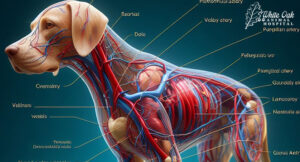 From an integrative perspective, I examine how multiple systems work together. Circulation depends on more than the heart. It involves blood vessels, kidney function, nervous system regulation, and overall metabolic balance. When one area starts to struggle, the body compensates.
At first, your dog may still seem normal. But over time, that compensation creates stress in other systems. That is often when we begin to see subtle changes and the early signs of heart problems in dogs.
One connection I pay close attention to is the gut-heart relationship. When circulation is not optimal, digestion can be affected. Nutrient absorption may decrease, and gut inflammation can increase resistance in the blood vessels. That, in turn, puts more workload on the heart. This is why changes in appetite or digestion can sometimes be early indicators of cardiac stress.
The kidney-heart connection is just as important. When the heart is not pumping efficiently, the kidneys receive less blood flow. That affects filtration, fluid balance, and blood pressure regulation. Over time, this creates a feedback loop that can place even more strain on the heart.
I also look closely at stress physiology. Chronic stress increases circulating stress hormones, which can raise heart rate, tighten blood vessels, and increase oxygen demand. Over time, that added load contributes to cardiovascular strain, even if it is not immediately obvious.
This is why my exams focus on early imbalance, not just advanced disease.
I evaluate:
- How stress is affecting your dog’s cardiovascular system
- How inflammation may be increasing vascular resistance
- Whether digestive changes are linked to circulation
- How different systems are compensating for one another
When you look at the signs of heart problems in dogs through this whole-body lens, they start to make more sense. My goal is to identify these patterns early, before structural damage becomes the primary issue, so we can support your dog in a more complete, proactive way.

Bringing It All Together
What I want you to understand is that the signs of heart problems in dogs rarely show up as one obvious symptom. Instead, they appear as small, connected changes: subtle shifts in breathing, energy, endurance, recovery, and even digestion. When you start to see these patterns as connected rather than isolated, everything becomes clearer. Waiting for a crisis like collapse, persistent coughing, or fluid buildup limits what we can do. By that point, the heart and the supporting systems have already been under strain for some time. Acting earlier gives us more flexibility and more opportunities to support your dog in a meaningful way.
From an integrative perspective, my goal is to slow progression, reduce strain, and protect your dog’s quality of life. By combining Western diagnostics with insights from Traditional Chinese Veterinary Medicine, we can better understand how your dog’s entire body is responding to cardiac stress, not just what is happening in the heart alone.
At White Oak Animal Hospital, I take a personalized approach to every case. Care is not protocol-driven. Instead, I build a plan around your dog’s specific pattern, which may include diagnostics, nutrition and food therapy, acupuncture, herbal support, and lifestyle adjustments.
With over 28 years of experience in integrative veterinary care, I have seen how early recognition can change outcomes. I also offer TCVM telemedicine consultations, so we can continue to monitor your dog and adjust care as needed, especially when you notice changes in breathing, energy, or recovery.
 If you are noticing any signs of heart problems in dogs, I encourage you to act sooner rather than later.
My goal is simple: help your dog stay comfortable, maintain function, and enjoy the best possible quality of life for as long as possible.
Frequently Asked Questions
Can signs of heart problems in dogs appear before a murmur is detected?
Yes, they absolutely can. In many cases, I see functional changes before I ever hear a murmur. Your dog’s circulation can start to decline before valve changes create an audible sound. That is why I pay close attention to early signs of heart problems in dogs, like subtle breathing changes, decreased energy, or slower recovery. If we wait until a murmur is present, we may miss an opportunity to intervene earlier.
Are signs of heart problems in dogs always obvious to owners?
No, and this is one of the biggest challenges. Dogs are very good at compensating. They adjust their activity, pace themselves, and hide discomfort. What you may notice are small changes: sleeping more, less engagement, or subtle shifts in routine. These early patterns are often the first signs of heart problems in dogs, and they are important. Recognizing them early gives us more options to support your dog.
How does the integrative care approach heart problems differently?
From an integrative perspective, I look at your dog’s whole system, not just the heart. I combine Western diagnostics with therapies that support circulation, reduce inflammation, and improve overall balance. That may include nutrition and food therapy, stress support, acupuncture, herbal strategies, and lifestyle adjustments. The goal is not just to react to symptoms, but to address the underlying contributors behind the signs of heart problems in dogs.
Can TCVM telemedicine help manage heart conditions in the long term?
Yes, it can be very helpful. With TCVM telemedicine, I can help you monitor your dog’s patterns over time. For example, things like breathing rate, energy levels, and recovery after activity. This allows me to make adjustments as needed without adding unnecessary stress from frequent travel. It is a great way to stay consistent with care, especially for dogs showing early or ongoing signs of heart disease.
When should you seek care if you notice early signs of heart problems in dogs?
I always tell clients that timing matters more than severity. If you notice early signs of heart problems in dogs, even if they seem mild, it is worth having your dog evaluated. Acting early gives us more flexibility, more options, and a better chance to support your dog before more advanced changes develop. My goal is to step in early so we can protect your dog’s comfort, maintain function, and support long-term health.
References:
- Akshay, A., Gasim, R., Ali, T. E., Kumar, Y. S., & Hassan, A. (2023). Unlocking the Gut-Cardiac Axis: a paradigm shift in cardiovascular health. Cureus, 15(12), e51039. https://pmc.ncbi.nlm.nih.gov/articles/PMC10805229/.
- Heart disease doesn’t always look like you think: subtle symptoms that matter. (2026, February 17). Mount Carmel Health System. https://www.mountcarmelhealth.com/blog-articles/heart-disease-doesnt-always-look-you-think-subtle-symptoms-matter.
- Nelesen, R., Dar, Y., Thomas, K., & Dimsdale, J. E. (2008). The relationship between fatigue and cardiac functioning. Archives of Internal Medicine, 168(9), 943. https://pmc.ncbi.nlm.nih.gov/articles/PMC2633298/
- Satyjeet, F., Naz, S., Kumar, V., Aung, N. H., Bansari, K., Irfan, S., & Rizwan, A. (2020). Psychological stress as a risk factor for cardiovascular disease: a Case-Control Study. Cureus, 12(10), e10757. https://pmc.ncbi.nlm.nih.gov/articles/PMC7603890/.
- Viswanathan, G., & Gilbert, S. (2010). The cardiorenal syndrome: making the connection. International Journal of Nephrology, 2011, 1–10. https://pmc.ncbi.nlm.nih.gov/articles/PMC2989717/.
- Zanoli, L., Briet, M., Empana, J. P., Cunha, P. G., Mäki-Petäjä, K. M., Protogerou, A. D., Tedgui, A., Touyz, R. M., Schiffrin, E. L., Spronck, B., Bouchard, P., Vlachopoulos, C., Bruno, R. M., & Boutouyrie, P. (2020). Vascular consequences of inflammation: a position statement from the ESH Working Group on Vascular Structure and Function and the ARTERY Society. Journal of Hypertension, 38(9), 1682–1698. https://pmc.ncbi.nlm.nih.gov/articles/PMC7610698/.
Related Posts
 Acupuncture for Dogs with Neurological Problems: Problems That Acupuncture Can Transform
The growing interest in acupuncture for dogs with neurological problems reflects a broader shift toward…
 Eastern and Western Cat Cancer Treatments
As cats age, they often get lumps and bumps.In veterinary medicine, these are called masses…
 Canine Wellness: Exploring Eastern Food Therapy for Dogs and 3 Alluring Reasons to Embrace It
Eastern food therapy for dogs is a hopeful option to ensure the well-being of our…
 The Top 5 Signs of Cancer in Dogs: A Countdown to Awareness
Understanding the signs of cancer in dogs is crucial for pet owners. Early recognition of…