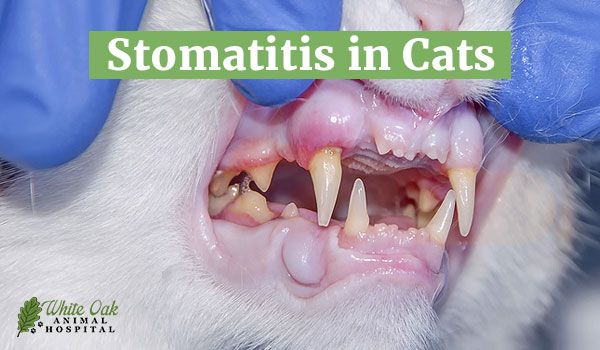
Stomatitis in cats is one of the most painful and commonly misunderstood conditions affecting felines today. It’s a severe inflammation of the mouth that can impact your cat’s gums, cheeks, and tongue. In many cases, it makes eating, grooming, and even opening the mouth difficult and distressing.
Roughly 10% of cats may develop this condition during their lifetime. And while many pet parents mean well, common mistakes often make things worse. These mistakes tend to delay treatment or cause more pain in the long run .
.
At White Oak Animal Hospital, we manage stomatitis in cats through a unique combination of Western diagnostics and Eastern therapies. With over 28 years of clinical experience in Fairview, Tennessee, we offer a range of integrative care options that can reduce discomfort and improve long-term outcomes.
Stomatitis in Cats Often Starts with Subtle Symptoms—Don’t Overlook Them
 The early signs of stomatitis in cats are easy to miss. They often appear as mild issues like bad breath, drooling, or occasional pawing at the mouth. These symptoms can look like minor dental problems, but they are often the first indicators of something much more serious.
Some cats with stomatitis show red or swollen gums, avoid dry food, or stop grooming altogether. These symptoms can appear gradually, which is why they’re often mistaken as normal aging or signs of sensitive teeth.
But this condition escalates fast. Left untreated, the inflammation can spread, turning eating into a painful task. Cats may begin hiding, lose weight, or cry while chewing. The longer treatment is delayed, the harder it becomes to manage.
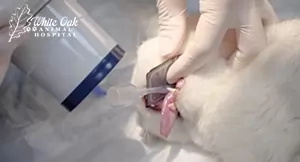 At White Oak, we combine Western veterinary medicine like bloodwork and dental X-rays with Traditional Chinese Veterinary Medicine (TCVM) diagnostics such as pulse and tongue evaluation. These tools help us catch early signs of imbalance before they develop into full-scale disease.
By paying close attention to your cat’s subtle changes in behavior or grooming, you can help catch stomatitis in cats early—when treatment is often simpler and less invasive.
Why Conventional Treatments Often Fail to Resolve Stomatitis in Cats
Many pet owners turn to dental cleanings and antibiotics as their first line of treatment. These options can reduce bacteria in the mouth, but they often fall short when it comes to long-term results in stomatitis in cats.
The root issue isn’t just dental hygiene. This condition is largely immune-mediated. The cat’s immune system treats even normal bacteria in the mouth as a threat, leading to extreme inflammation. This means that after cleaning, the symptoms often return.
Some veterinarians recommend full-mouth tooth extraction. While this can help in many cases, about 10% of cats still experience inflammation afterward. That’s because the immune system keeps attacking what it sees as harmful, even when the teeth are gone.
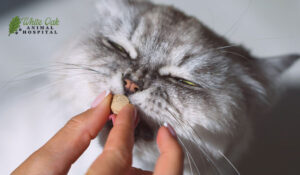 At White Oak, we look beyond dental procedures. Our approach includes custom herbal therapy, acupuncture, and immune-focused diets designed to calm the body’s response. We help pet parents explore both conventional and alternative care to reduce pain and improve function.
By combining treatments, you reduce the chance of recurrence and support your cat’s healing from more than one direction. Stomatitis in cats isn’t always resolved with a single solution—but multiple tools used wisely can make all the difference.
Nutrition, Food Energetics, and Herbal Support for Stomatitis in Cats
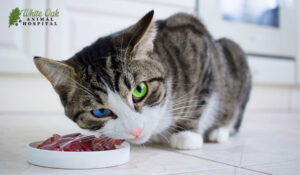 Most cats with chronic inflammation benefit from better food choices. Dry kibble and overly processed foods can make things worse. Cats dealing with stomatitis often have trouble chewing and swallowing, so they need soft, high-moisture meals that don’t add to their pain.
But diet isn’t just about texture. In Traditional Chinese Veterinary Medicine, food is chosen based on its energetic effects. For example, cooling foods may help calm inflammation, while warming foods may be avoided if they add to internal heat.
At White Oak, we customize food plans based on your cat’s constitution and TCVM patterns. If your cat has too much “heat” or “dampness,” we offer recommendations to counter those imbalances using food and herbs.
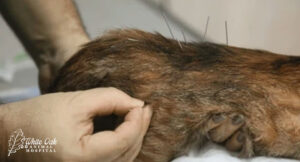 We also incorporate acupuncture to manage oral pain and promote healing. Herbal therapies are selected to support immune function and reduce chronic flare-ups. These treatments work together to keep your cat comfortable and resilient.
Many pet parents overlook how powerful food and herbs can be when tailored to the animal’s specific needs. Stomatitis in cats often requires lifelong management, and supportive care like this helps reduce flare-ups and improve quality of life.
Stomatitis in cats can feel overwhelming, especially when treatments don’t seem to work. But you have more options than you might think. Early detection, a whole-body view, and the right mix of care can lead to better days for both you and your cat.
At White Oak Animal Hospital, we use advanced diagnostics, alternative treatments, and TCVM therapies to manage complex cases like this. Our team blends modern veterinary care with herbal medicine, acupuncture, and nutritional guidance to treat the whole cat—not just the mouth.
 We’ve helped families manage this condition for nearly three decades. Dr. Damron’s training in Chinese Veterinary Medicine gives us tools many clinics don’t offer. For those outside Tennessee, we also provide TCVM telemedicine consultations to help guide care from afar.
If you suspect your cat is suffering from this painful condition or you want a second opinion, we’re here to help. Let’s talk about a treatment plan that works with your cat’s body instead of against it.
Frequently Asked Questions
Can stomatitis in cats be cured without tooth extraction?
Tooth removal is common, but it’s not always required. We often use herbal medicine, acupuncture, and diet changes to manage symptoms. These approaches can delay or reduce the need for extractions in some cats.
What should I feed a cat with stomatitis?
Soft foods with high moisture are best. We also use TCVM food energetics to reduce internal heat and inflammation. Every cat’s diet is tailored to its specific pattern.
Is stomatitis in cats contagious?
The condition itself isn’t contagious, but viruses that trigger it—like calicivirus or FeLV—can be spread between cats. We always run a viral panel as part of our exams.
How long does it take for a cat to recover from stomatitis treatment?
Healing depends on the treatment path. After extractions, most cats feel better in a few weeks. With herbal support, some cats recover more quickly and maintain comfort longer.
Can natural remedies help with stomatitis in cats?
Yes. We use custom formulas, acupuncture, and Tui-Na massage to support the immune system and ease pain. These methods work well alongside standard care and help reduce long-term flare-ups.