Mouth ulcers in cats are painful, hard to detect early, and often linked to deeper health problems. These raw and inflamed wounds form on the tongue, gums, cheeks, lips, or roof of the mouth. They don’t always show up right away, and many cats hide the pain until eating becomes a struggle.
 Mouth ulcers in cats happen for a number of reasons. They can be caused by infections, dental disease, kidney problems, or immune issues. Many of these conditions are chronic and affect more than the mouth. That’s why integrative treatment is important. At White Oak Animal Hospital, we look at both the symptom and the root cause. Our approach brings together Western Veterinary Medicine, Traditional Chinese Veterinary Medicine, and alternative treatments to help cats heal from the inside out.
Mouth Ulcers in Cats: Why They Happen and What Causes Them
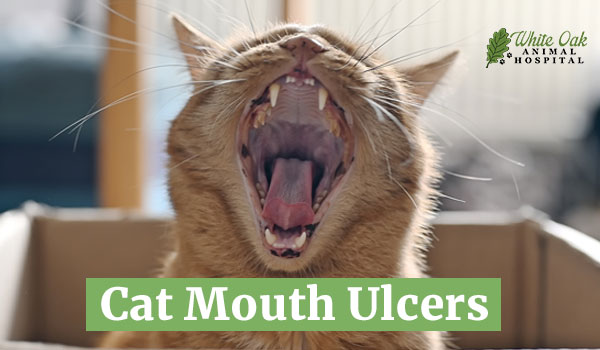
Mouth ulcers in cats start when the tissue inside the mouth breaks down. That can happen because of inflammation, infection, or trauma. The open wound that follows is painful and makes chewing, grooming, or even yawning uncomfortable. If left untreated, it can get worse quickly.
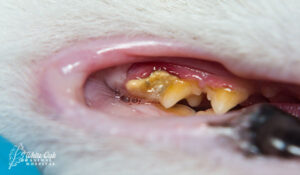 There are many causes of mouth ulcers in cats. Dental disease is the most common. Plaque and tartar buildup lead to gum infection and eventually tissue breakdown. Infections such as FeLV, FIV, calicivirus, and herpesvirus also play a role. These viruses attack the immune system and affect the mouth’s ability to heal. In cats with kidney disease, toxins build up in the bloodstream and irritate the mouth’s lining.
Autoimmune problems like eosinophilic granuloma complex can also cause chronic ulcers. This condition shows up as inflamed lesions on the lips, tongue, or gums and is often linked to food or environmental allergies. Other causes include oral cancer, trauma from chewing wires or sharp bones, and exposure to toxins.
Because the causes vary, treatment should never be one-size-fits-all. According to the Causes of Mouth Ulcers in Cats, proper diagnosis includes bloodwork, dental imaging, and sometimes biopsies. Cats may look fine from the outside, but the pain can be intense. Ulcers can signal a bigger health issue that deserves close attention.
Mouth Ulcers in Cats: 5 Painful Signs That Warrant Immediate Vet Care
The signs of mouth ulcers in cats can be subtle. Many cats hide their discomfort until it affects their eating or behavior. Still, there are clear signs that something is wrong—and the sooner you notice them, the sooner your cat can get relief.
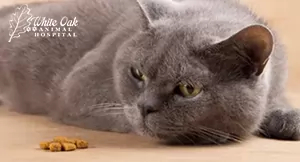 The first sign is food refusal or food dropping. Cats may walk up to their bowl, seem interested, then back away without eating. Others try to eat but drop their food as soon as it hits their mouth. These are signs that chewing hurts. Another red flag is pawing at the mouth or rubbing the face along furniture or floors. It may look like normal grooming, but it’s often a pain response.
Mouth ulcers in cats often lead to drooling, sometimes with blood in the saliva. Bad breath is common too. If your cat hisses when you offer food, that can mean it hurts just to open the mouth. Some cats show an odd pattern—approaching food, then running off. That’s called an approach-avoidance behavior. They’re hungry, but pain gets in the way.
 Over time, you might see weight loss, matted fur from reduced grooming, or swelling in the face. These are signs the condition has progressed. The more severe the pain, the harder it is for cats to function normally. According to the Mouth Ulcers in Cats, sedation may be needed to fully examine the mouth.
Painful signs should never be ignored. If your cat shows any of these symptoms, book an exam. Early diagnosis gives your cat a better chance of healing without long-term complications.
How Integrative Vets Treat Mouth Ulcers in Cats Without Relying on Harsh Drugs Alone
The typical approach to mouth ulcers in cats often includes antibiotics, steroids, and in severe cases, full-mouth extractions. While those tools can be effective, they don’t always address the deeper issue. At White Oak Animal Hospital, we use integrative care to support long-term healing.
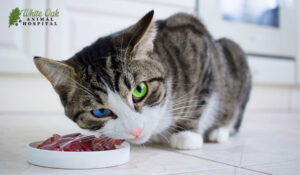 The first step is identifying the cause. Then we tailor the plan. If diet is a trigger, we recommend soft, moisture-rich meals that don’t irritate the mouth. Some cats benefit from hydrolyzed protein or limited-ingredient diets, especially if allergies are involved. These changes help reduce inflammation from the inside.
For cats with chronic immune issues, we use food therapy rooted in Traditional Chinese Veterinary Medicine. We also use herbal blends to support tissue healing and reduce inflammation. These aren’t generic formulas. They’re chosen based on your cat’s full health picture. This makes a big difference for conditions like eosinophilic granuloma complex or stomatitis.
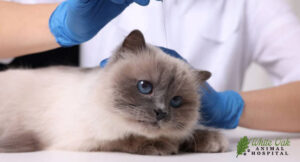 Acupuncture is another tool we use, especially when mouth ulcers in cats are recurring or don’t respond well to medication. It helps lower inflammation and supports immune balance. Some cats respond quickly, eating and grooming more within a few sessions.
When we do use medication, we focus on what works without overloading the system. Pain relief comes first. Medications like gabapentin or buprenorphine are used to reduce suffering. If infection is present, we use antibiotics. For inflammation, we may prescribe steroids—but only when necessary and with a tapering plan.
Topical care like antiseptic rinses or gels can help, especially when cats tolerate oral handling. Our approach aims to relieve pain, improve quality of life, and keep ulcers from coming back.
Mouth ulcers in cats are more than surface wounds. They can be painful, slow to heal, and linked to bigger health concerns like kidney disease, viral infections, or immune conditions. What looks like a drooling problem could be a sign of something more serious. These ulcers disrupt appetite, grooming, and behavior. They deserve a complete, thoughtful approach.
 At White Oak Animal Hospital, we treat mouth ulcers with more than short-term fixes. We look at the whole cat—what they eat, how they heal, what their immune system is doing. That’s how we’ve helped cats in Fairview, Tennessee live more comfortably for over 28 years.
If your cat shows signs of oral pain, early treatment makes a real difference. We use a mix of proven techniques from  both conventional and holistic care. This includes dietary planning, herbal support, acupuncture, and targeted medication.
For cats outside the area, we also offer telemedicine consults focused on Traditional Chinese Veterinary Medicine. These are especially helpful for pet owners seeking alternatives to surgery or long-term medication.
If you suspect mouth ulcers in cats, don’t wait for symptoms to escalate. Book an appointment. Your cat deserves care that sees the full picture.
Frequently Asked Questions
Are mouth ulcers in cats always a sign of a serious illness?
Not always, but they usually connect to something deeper. It could be dental disease, a viral infection, or a food allergy. Even if the ulcer is small, it’s still painful and needs attention. Waiting too long can lead to weight loss or chronic pain.
Can mouth ulcers in cats heal on their own?
Most don’t. While mild cases might improve with time, most need support. This could include changes in diet, pain relief, or herbal support. Without treatment, ulcers may worsen or become infected.
Is it safe to use home remedies for mouth ulcers in cats?
Some natural remedies can help, but only under a vet’s guidance. Many over-the-counter products are not safe for cats. Even herbal treatments should be tailored by a veterinary professional trained in integrative medicine.
What’s the best food for cats with mouth ulcers?
Soft food with high moisture is easiest to eat. For cats with allergies, a novel protein or hydrolyzed diet may help. Avoid anything too dry or textured. Each case is different, so your vet can help choose the right formula.
Can acupuncture or herbal medicine really help with mouth ulcers?
Yes. These treatments support long-term relief, especially when ulcers are tied to immune issues. They work well for cats that don’t respond to conventional care or need ongoing support for chronic problems.