
Dental disease in cats is one of the most common and painful health problems that often gets missed. Most cats won’t show pain the way you’d expect. They keep eating, grooming, and acting normal—until the condition gets serious. That’s what makes it easy to overlook. The truth is, over half of cats aged four and up already have some level of dental disease.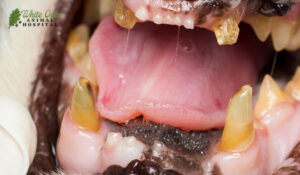
It starts slow. Bacteria builds around the gumline. Plaque hardens into tartar. Then the body responds with inflammation. That inflammation, if left unchecked, spreads deeper. At that point, your cat’s not just dealing with sore gums. Now it’s bone loss, tooth decay, and infection.
Most owners don’t notice until it starts affecting meals or behavior. Even then, it might not look urgent. But once it reaches that stage, the damage is already deep. The good news is, you can catch it earlier. You just need to know what to look for.
At White Oak Animal Hospital, we use a mix of Western dentistry, Traditional Chinese Veterinary Medicine, and nutrition to treat dental disease in cats. Our goal is long-term healing—not just cleaning teeth, but restoring comfort, preventing recurrence, and improving your cat’s overall health.
Dental Disease in Cats Often Starts Without Obvious Symptoms
Most dental disease in cats begins below the surface. You may not see redness or smell anything at first. But it’s building. Bacteria grows in the mouth daily. It forms a sticky film that hardens into tartar. This irritates the gums and triggers inflammation. That’s where the trouble starts.
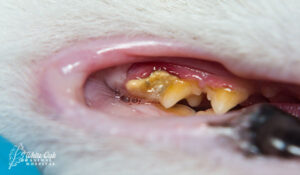 There are three major diseases to look out for. Gingivitis is gum inflammation. Periodontitis goes deeper, damaging the tissue and bone that support teeth. Tooth resorption is something unique to cats—it’s when the body starts breaking down its own teeth from within. Each one can be painful, but not always obvious.
One of the hardest things about dental disease in cats is that they don’t show they’re in pain. Most cats won’t cry or whine. Instead, they’ll adapt. They might chew on one side or stop crunching hard food. You might notice your cat licking food or chewing slowly. But unless you know what that means, it’s easy to miss.
T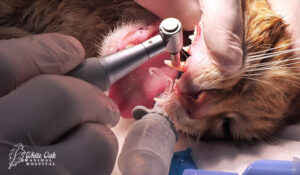 he immune system also plays a role. Conditions like diabetes or kidney disease make cats more prone to inflammation. Viruses like FIV or FeLV can worsen the effects. The longer bacteria is left alone, the more it spreads. Eventually, it reaches the bloodstream. That’s when it starts affecting the heart, liver, and kidneys.
Regular dental exams with sedation and imaging are the only way to see everything. Inflammation under the gumline, loose teeth, or bone loss can’t be seen during a basic visual check. If your cat hasn’t had a full dental exam in a while, this is the right time to schedule one.
7 Alarming Signs of Dental Disease in Cats You Might Be Missing
 The signs of dental disease in cats often feel subtle. But once you know them, they’re easier to catch early. These are the seven most common warning signs we see:
Bad breath is usually the first thing owners notice. That odor isn’t normal—it’s caused by bacteria releasing sulfur gases. If your cat’s breath smells sour or strong, it’s time for a closer look.
Drooling, especially if it’s tinged with blood, can mean inflammation or even infection. This often happens with irritated gums or cracked teeth.
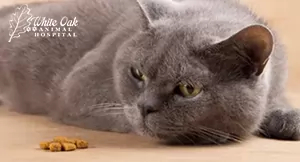 Some cats slow down while eating or avoid food altogether. If your cat is skipping dry food, chewing oddly, or seems hesitant to eat, mouth pain might be the reason.
Head shaking or pawing at the mouth is a physical reaction to discomfort. Cats do this when they’re trying to get rid of a bad sensation in their mouth.
Weight loss tends to happen over time. A cat that’s in pain while eating will quietly eat less. Over weeks or months, they start to drop weight even if their appetite looks normal.
A chattering jaw is less common but serious. You might see this when your cat’s trying to eat something cold or painful. This often shows up with tooth resorption.
Loose or missing teeth are a clear sign that things have progressed. If teeth are visibly loose or fall out, it means the tissue and bone underneath have already been damaged.
Each of these symptoms may appear alone. Sometimes, they show up together. Either way, they’re signs that dental disease in cats is at work. Don’t wait until it worsens. Even one of these signs is enough to warrant an exam.
How We Manage Dental Disease in Cats With Integrative Care
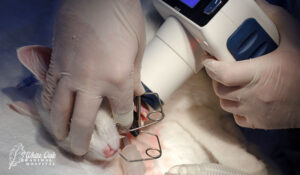 At White Oak Animal Hospital, we start with a full oral exam under sedation. That’s how we can clean thoroughly, check below the gums, and take digital X-rays to assess what’s going on deep inside. But treating dental disease in cats takes more than just extractions or antibiotics.
We look at it from three angles.
The first is standard Western Veterinary Medicine. This includes dental cleanings, tooth extractions when needed, and antibiotics if infection is present. We also use pain management to keep your cat comfortable during recovery.
 The second is Traditional Chinese Veterinary Medicine. In TCVM, oral inflammation often falls under a Damp-Heat pattern. We use acupuncture to reduce pain and rebalance the immune system. Herbal powders are used topically or internally to help reduce swelling and soothe gums. TCVM helps address the internal patterns that cause repeated flare-ups.
The third approach is food therapy. Diet can influence inflammation. Cats eating commercial food that’s too dry, too rich, or too processed may develop chronic oral issues. We help you switch to foods that reduce Damp and clear Heat. These diets support gum health from the inside, not just the surface.
Dental disease in cats often returns if you only treat what you see. Our goal is to stop the cycle. By combining cleaning, herbs, acupuncture, and nutrition, we offer a longer-term solution. It’s not about just pulling teeth. It’s about helping your cat stay well.
 Dental disease in cats affects their mouth, their behavior, and their overall health. The early signs are easy to miss—bad breath, slower eating, or a little blood in the saliva might not seem serious at first. But inside, damage is building.
At White Oak, we treat dental disease in cats by looking at the whole picture. We clean and assess teeth the standard way, but we also treat the inflammation, immune issues, and dietary problems that often come with it. Our acupuncture and herbal therapies help with pain, healing, and immune balance. Our nutrition plans are custom-built for each cat.
W e have been doing this work for over 28 years. We offer TCVM telemedicine consults, dental plans, and long-term care options for cats that need more than a yearly cleaning. Our goal is to make your cat’s care smarter, simpler, and more complete.
If your cat has any of the signs mentioned earlier—or if they haven’t had a dental exam in the last year—it’s a good time to check in. The sooner we find a problem, the easier it is to treat. And the better your cat will feel.
To learn how dental disease in cats affects health or explore treatment options, schedule a consult today. We’re here to help.
Frequently Asked Questions
How often should my cat get a dental check-up?
Most cats need one dental exam per year. If your cat has had dental problems in the past, twice a year is better. This helps us catch new issues early before they get painful.
Can dental disease in cats cause problems outside the mouth?
Yes. Bacteria in the mouth can travel through the bloodstream and cause issues in the kidneys, liver, or heart. That’s why keeping the mouth healthy protects more than just the teeth.
Is tooth resorption the same as a cavity?
No. Cavities come from decay. Tooth resorption happens when the body starts breaking down the tooth itself. It’s more common in cats than people.
Can I use human toothpaste?
Never. Many ingredients in human toothpaste are toxic to cats. Use only pet-safe toothpaste made for feline oral care.
Do herbs really work?
They can. When used properly, herbs can reduce inflammation, support healing, and help prevent flare-ups. We match herbal support to your cat’s specific patterns. Learn more about our Alternative Treatments and how they work alongside dental care.