How long does a rabies titer test take for dogs is one of the first questions owners ask when they want options outside routine vaccination schedules. The concern usually starts with good intentions. You want fewer medical interventions. You want to protect a dog with past vaccine reactions. You want flexibility for travel, boarding, or compliance without adding stress to your dog’s immune system. The problem is timing. Once deadlines appear, choices narrow quickly.
 At White Oak Animal Hospital, we see this pattern often. Owners assume a titer test works faster than vaccination or bypasses legal requirements. It does not. How long does a rabies titer test take for dogs matters because titers move slowly through laboratories, paperwork, and approval channels that do not bend for last minute decisions.
We practice integrative veterinary care. That means we support informed vaccine decisions and immune health. It also means we plan around public health laws and travel rules instead of ignoring them. Rabies titers can help in specific situations, but they require foresight, not shortcuts.
In this article, we explain what a rabies titer actually measures, why results take weeks instead of days, what delays the process, and when titers help versus when they create new problems. If you are considering skipping or delaying rabies vaccination, understanding how long does a rabies titer test take for dogs can save you time, money, and unnecessary frustration.
How Long Does a Rabies Titer Test Take for Dogs and What the Test Really Measures
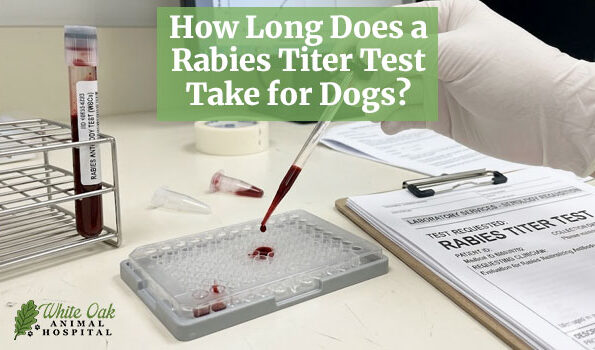
How long does a rabies titer test take for dogs depends on far more than the blood draw itself. A rabies titer test measures the level of antibodies circulating in your dog’s bloodstream at a specific point in time. These antibodies reflect immune exposure, not guaranteed protection and not legal vaccination status. That difference is where many owners get stuck.
 A titer result can show that your dog has mounted an immune response in the past. It does not prove your dog is protected today. It also does not replace rabies vaccination under most state laws. Rabies rules exist to protect public health, not to evaluate individual immune performance. This is why titers often fail to meet legal or travel requirements even when the numbers appear strong.
Owners usually request titers because of past vaccine reactions, chronic illness, immune compromise, or personal beliefs about minimizing medical intervention. Those concerns deserve respect. But titers move through a rigid system that cannot be rushed. Blood samples must be processed and shipped to approved reference laboratories. Testing often occurs in batches, not daily runs. Backlogs are common. International certification can add additional review layers.
This is why same-week results are unrealistic. Antibodies take time to measure accurately, and laboratories follow strict protocols to reduce error. Faster processing would not improve accuracy.
Another overlooked issue is the difference between antibody presence and protection. Antibodies can persist long after exposure. They can also fail to rise in dogs with immune suppression. A titer captures one snapshot in time, not a promise. Understanding this limitation helps owners decide if testing actually serves their goals.
How Long Does a Rabies Titer Test Take for Dogs When Travel or Legal Rules Apply?
When travel or legal rules apply, the question “how long does a rabies titer test take for dogs?” becomes even more critical. In most cases, laboratory turnaround alone takes three to four weeks. That estimate does not include paperwork, government review, or mandatory waiting periods required by many destinations.
Travel requirements often include prior rabies vaccination, a waiting period before the titer, testing through an approved lab, official endorsement, and post result holding times. These steps happen sequentially. Missing one resets the entire timeline. A strong titer result cannot fix missed deadlines.
A common misconception is that titers override rabies laws. They do not. Another mistake is waiting until travel plans are booked before starting testing. That approach frequently fails. Travel planning with titers requires months, not weeks.
We see last minute requests fall apart for predictable reasons. Results arrive too late. Titers do not meet thresholds. Documentation misses submission windows. Dogs require vaccination anyway. In each case, the owner assumed timing would be flexible.
 This is where integrative clinics provide value beyond testing. Through Western Veterinary Medicine diagnostics combined with holistic planning, we help owners evaluate timelines before they become emergencies. Rabies law and medical decision making operate on separate tracks. Intent does not matter to regulators. Timing does.
If compliance or travel matters to you, understanding how long does a rabies titer test take for dogs must be part of a broader strategy. Without that strategy, titers often create stress instead of relief.
4 Smart Questions to Ask Before You Skip Vaccines
Before relying on titers, asking the right questions matters more than the test itself. Knowing the answer to “How long does a rabies titer test take for dogs?” is only useful when paired with planning and realistic expectations.
The first question is whether a titer meets your state or destination requirement. Many do not. Laws vary widely, and international rules change often. A titer that looks acceptable medically may still fail legally.
The second question is whether your dog can mount a measurable antibody response. Dogs with chronic disease, immune suppression, or long term medication use may not respond predictably. A low result does not always mean no protection, but it can block boarding or travel.
The third question is what happens if results come back low. Low titers often lead to revaccination. That adds cost, stress, and time. Without a backup plan, deadlines can be missed.
The fourth question is how this choice affects future care. Once you rely on titers, documentation becomes more complex. Some facilities accept them. Many do not. Emergency care access, grooming, and boarding options may shrink.
Evaluating risk tradeoffs, cost versus delay, and contingency planning upfront prevents reactive decisions later. Skipping vaccines without a plan often leads to pressure at the worst possible time.
Conclusion
Rabies titers require time and strategy. That reality does not change. They can support thoughtful care decisions, but they do not bypass laws or speed up timelines.
At White Oak Animal Hospital, we focus on integrative planning. We assess immune health, lifestyle risk, travel goals, and regulatory limits together. That approach keeps owners informed and avoids surprises. We do not treat titers as a checkbox. We treat them as one tool among many.
 Our care model blends diagnostics from Western medicine with immune support drawn from Traditional Chinese Veterinary Medicine and carefully selected Alternative Treatments when appropriate. Nutrition, herbal support, and immune modulation often play a role in long term planning.
We also offer telemedicine consultations that support pre travel and vaccine planning before deadlines force rushed choices. With over 28 years of experience, we have seen rabies titers succeed and fail. The difference is almost always preparation.
If you are considering testing, schedule early and plan conservatively. Understanding how long a rabies titer test takes for dogs gives you control before time takes it away.
Frequently Asked Questions
Can a rabies titer replace the rabies vaccine?
In most cases, it cannot. Rabies vaccination laws focus on public health risk. Titers measure antibodies, not legal compliance. Some travel authorities accept titers only after documented vaccination through Vaccinations and Titers at White Oak Animal Hospital.
How often does a rabies titer need to be repeated?
Frequency depends on purpose. Travel protocols differ from immune monitoring. Some destinations require recent results, while others accept older titers if vaccination history is complete.
Do titer results vary by lab?
Yes. Approved reference labs follow strict standards. Using non approved labs can invalidate results. Consistency and accuracy matter more than speed, especially with Antibody Titers used for compliance.
Is a rabies titer safer for dogs with chronic illness?
Titers may reduce unnecessary vaccination in select cases. They do not eliminate all risk. Some dogs still require vaccination based on exposure risk or legal requirements.
What happens if my dog fails a rabies titer?
Next steps depend on your goal. Options include retesting, vaccination, or revising plans. Having a contingency plan before testing reduces stress if results fall short.
Related Posts
 Cat Titer Test Requirements: 5 Surprising Benefits of Testing Before Revaccination
Cat titer test requirements matter for any pet owner in Fairview, TN who wants the…
 How Melatonin for Dogs Promotes Relaxation
Just like people, dogs experience stress for a number of reasons. Some dogs feel nervous…
 Benefits of Spirulina Supplements For Dogs
s Will spirulina supplements benefit your dog? Well, just like people, sometimes pets experience dips…
 Why Herbal Treatment May Benefit Hypothyroidism In Dogs
Do you have personal experience with hypothyroidism in dogs? If a veterinarian has diagnosed your…