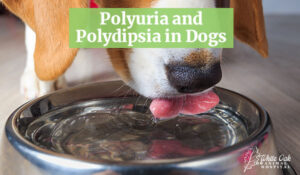
 Polyuria and polydipsia in dogs show up as excessive drinking and frequent urination, but those behaviors are signals, not diagnoses. When your dog empties the water bowl faster than usual or needs to go out constantly, the problem rarely starts with the bladder. Something upstream is driving the change, and understanding polyuria and polydipsia as a systemic response helps prevent missed diagnoses and delayed care.
Polyuria and polydipsia in dogs often get dismissed as drink less, pee more. That shortcut delays answers and narrows clinical thinking. Western diagnostics matter, but numbers alone rarely explain why regulation breaks down. Patterns across diet, stress load, inflammation, and physiology often explain what lab work cannot. This is especially true in early cases, where polyuria and polydipsia in dogs appear long before a clear diagnosis emerges, as outlined in clinical overviews of excessive drinking and urination.
Our approach blends Western diagnostics with integrative insight, so we do not stop at surface symptoms. At White Oak Animal Hospital, we look at how the kidneys, hormones, nervous system, and nutrition interact over time. That whole-body view gives context to lab results and explains why polyuria and polydipsia in dogs often persist despite normal findings.
Polyuria and Polydipsia in Dogs Are Signals, Not Diagnoses
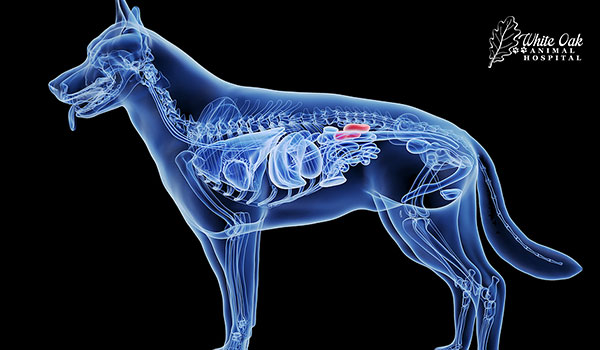 When I evaluate polyuria and polydipsia in dogs, I do not see them as a single problem. I see them as signals that your dog’s body is responding to an underlying imbalance. In simple terms, increased drinking and urination are outputs, not root causes.
When your dog starts drinking more water or urinating more frequently, it is usually because the body is trying to compensate for stress somewhere else. That stress may be developing quietly over time, even before other symptoms appear.
There are several systems involved in regulating thirst and urine production. The kidneys must concentrate urine properly. Hormones need to signal correctly. The nervous system also plays a role in how the body responds to stress.
Diet matters as well. Moisture intake, electrolyte balance, and food quality can all influence how your dog processes fluids.
This is why I approach polyuria and polydipsia in dogs from a broader perspective. Instead of just managing the symptoms, I focus on understanding which system is out of balance and why.
One of the challenges is that early dysfunction does not always show up clearly on lab work. Reference ranges are designed to detect disease, but they do not always capture early strain. That means your dog may have normal lab values while the body is already working harder than it should.
In many cases, polyuria and polydipsia in dogs occur during this compensatory phase, when the body is still maintaining balance but only with increased effort.
I also pay close attention to stress physiology.
Chronic stress can alter cortisol patterns, increase thirst, and alter urine output in ways that resemble those of endocrine disease. In some dogs, increased drinking can even mask dehydration at the cellular level, where tissues are not as well hydrated as they should be despite frequent water intake.
Timing matters just as much as volume. Gradual changes in drinking and urination often point to a chronic imbalance developing over time. Sudden changes may suggest a more acute disruption that needs immediate attention.
From an integrative perspective, my goal is to track these patterns, identify the underlying cause, and support your dog’s body in restoring balance.
When we take that approach, polyuria and polydipsia in dogs become valuable clues, helping us intervene earlier and more effectively, rather than waiting for more advanced disease to develop.
Polyuria and Polydipsia in Dogs and the Limits of Conventional Testing
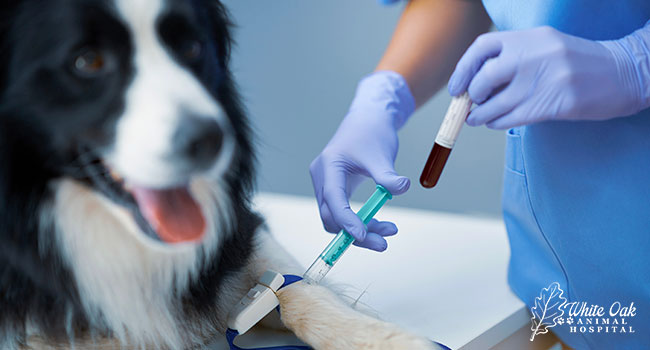
When evaluating polyuria and polydipsia in dogs, I rely on standard diagnostics like bloodwork and urinalysis. These tools are essential, especially when we need to rule out serious conditions like diabetes, kidney disease, or infection. In many cases, they are lifesaving. But I also want you to understand their limitations.
Bloodwork and urinalysis tend to perform best when the disease is already more advanced or clearly defined. In earlier stages or when multiple systems are under stress at the same time, they do not always tell the full story. A single test is just a snapshot.
It cannot always capture hormonal fluctuations, daily variation, or the way your dog’s body may be compensating over time. I often see polyuria and polydipsia in dogs persist even when initial test results look normal. When that happens, I do not stop the conversation. We keep looking deeper. From my perspective, trends matter more than one set of numbers.
If values are borderline, fluctuating, or slowly shifting, that can still indicate stress within the system, even if they fall within reference ranges. Those ranges are designed to detect disease, not necessarily early imbalance. I also consider other factors that can influence what we are seeing.
Certain medications like steroids, seizure medications, or some allergy treatments can increase thirst and urination. Without context, those changes can be mistaken for disease progression rather than a treatment response.
Diet is another piece that is often overlooked. Moisture content, sodium levels, and overall nutrient balance all affect how your dog handles fluids. Dry kibble, in particular, can increase water intake without improving cellular hydration. This is why I take a broader approach to polyuria and polydipsia in dogs.
I use diagnostics as a foundation, but I also look at patterns over time, diet, medications, and how your dog is functioning as a whole. When we track trends and consider the bigger picture, we are much more likely to identify the underlying issue.
My goal is not just to run tests. It is to understand what your dog’s body is trying to tell us, so we can respond in a way that restores balance and supports long-term health.
Why Integrative Evaluation Changes Outcomes
Even though lab work is important, I do not rely on isolated diagnostics alone. Conventional testing is essential, but it does not always give us the complete picture. That is where an integrative approach becomes so valuable.
I use lab data as a foundation, then build on it by incorporating principles from Traditional Chinese Veterinary Medicine. This allows me to look beyond individual numbers and understand how your dog’s body is functioning as a whole. From this perspective, I am evaluating patterns: how energy is balanced, how fluids are processed, how inflammation is developing, and how your dog’s body responds to stress. This is often where we find answers.
It helps explain why lab results may appear acceptable while your dog is still showing signs like increased thirst and urination. It also helps explain why polyuria and polydipsia in dogs do not always have a single, clear cause.
Food therapy plays a major role in this process. What your dog eats directly affects fluid metabolism. Moisture content, food temperature, and protein sources all influence how the body regulates hydration. In many cases, adjusting diet (especially increasing moisture) can improve drinking and urination patterns before we ever need to consider medication.
I may also use acupuncture or Chinese herbs to support regulation. Acupuncture helps balance the nervous system, improve circulation to key organs like the kidneys and adrenal glands, and reduce chronic inflammation. Many dogs respond very well to this, especially when stress or long-term imbalance is part of the picture.
Herbal therapy is another tool I use to support function rather than simply suppress symptoms. These therapies are designed to work alongside conventional care, not replace it.
In many chronic cases, I find that underlying inflammation and adrenal stress are contributing factors, even when standard lab panels do not show obvious abnormalities. An integrative evaluation helps bring those hidden drivers into focus.
For ongoing care, I often incorporate telemedicine as well. This allows me to monitor your dog’s progress, make adjustments over time, and maintain consistency in care without adding unnecessary stress.
My goal is to connect the dots.
When we combine Western diagnostics with integrative insight, we are better able to understand and manage your dog’s polyuria and polydipsia in a way that supports long-term balance, not just short-term symptom control.
Conclusion
When I see polyuria and polydipsia in dogs, I do not take a “wait and see” approach. Simply offering more water and hoping things settle is not enough. When your dog’s body starts pushing fluids harder, it is usually compensating for an imbalance long before lab values clearly change. Waiting for numbers to worsen often limits our options and can allow discomfort to continue longer than it should.
If something feels off with your dog’s drinking or urination, I encourage you to act early.
At White Oak Animal Hospital, we take an integrative approach to these cases. We combine Western diagnostics with Traditional Chinese Veterinary Medicine to understand both structure and function.
That may include:
- Diagnostic testing to evaluate organ function
- TCVM assessment to identify underlying patterns
- Food therapy to support fluid balance and metabolism
- Acupuncture to improve regulation and circulation
- Herbal strategies to support long-term function
Every plan is individualized. Your dog’s physiology, diet, stress levels, and history all play a role in what we are seeing.
I also offer TCVM telemedicine consultations so we can continue to monitor your dog, adjust the plan over time, and support progress without unnecessary stress.
With over twenty-eight years of clinical experience, I have seen how early, integrative care can change long-term outcomes. When we focus on restoring balance rather than chasing symptoms, many dogs improve more steadily and comfortably.
My goal is simple: help your dog feel better and support lasting health by addressing the root of polyuria and polydipsia in dogs, not just the signs.
GET MORE INFORMATION OR SCHEDULE AN APPOINTMENT
Frequently Asked Questions
How much drinking is considered abnormal in dogs?
In general, most dogs drink about one ounce of water per pound of body weight per day. That said, I do not focus on one day; I focus on trends. If you notice your dog gradually drinking more over a period of weeks, especially if it is paired with increased urination, that is something I want to evaluate. Changes over time are often more meaningful than a single measurement. When those patterns develop, I start considering the underlying causes of polyuria and polydipsia in dogs, rather than assuming it is just a temporary change.
Can diet alone cause polyuria and polydipsia in dogs?
Diet can absolutely play a role. If your dog is eating primarily dry kibble, especially highly processed or high-sodium varieties, this can increase thirst and lead to more urination. Low moisture intake forces the body to compensate, which can contribute to polyuria and polydipsia in dogs. That said, diet is usually not the only factor. But it can make an existing imbalance worse. In many cases, improving moisture intake and adjusting protein sources can help regulate fluid balance and reduce symptoms when the diet is contributing.
When should polyuria and polydipsia in dogs be treated as urgent?
I recommend acting quickly if the changes come on suddenly or seem to be getting worse. If your dog is drinking and urinating more and you also notice lethargy, decreased appetite, weight changes, vomiting, or accidents in a previously trained dog, those are signs I take seriously. When polyuria and polydipsia escalate together or progress quickly, it often indicates a deeper systemic issue that needs prompt evaluation.
Can integrative care help even if my dog already has a diagnosis?
Yes, and in many cases, it makes a meaningful difference. Even when we have a diagnosis, integrative care allows me to support your dog beyond symptom control. I look at factors such as stress, inflammation, diet, and overall body balance. By combining conventional treatment with therapies like food therapy, acupuncture, and targeted supplements, we can often help your dog stabilize more effectively. My goal is not just to manage polyuria and polydipsia, but to support your dog’s body in a way that improves comfort, function, and quality of life over time.