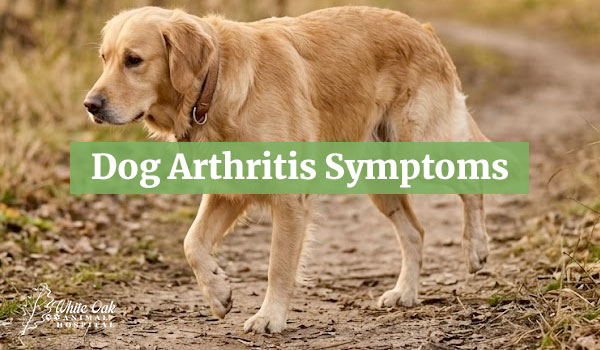
Dog arthritis symptoms rarely show up all at once. Most dogs adjust quietly. They shift weight, slow down, and avoid movements that hurt. That coping behavior fools many owners into thinking the issue is normal aging. It is not.
Arthritis is a progressive joint disease. Once stiffness, discomfort, or movement changes appear, inflammation has already altered the joint environment. Waiting allows cartilage breakdown, muscle loss, and mobility decline to stack up fast.
We see this pattern often at White Oak Animal Hospital. Dogs arrive after months or years of subtle signs that were easy to miss but hard to reverse.
 An integrative lens matters because arthritis does not live only in the joint. It ties into diet, hydration, circulation, muscle tone, immune balance, and metabolic stress. Western Veterinary Medicine plays a role. So does Traditional Chinese Veterinary Medicine, food therapy, acupuncture, and targeted supplementation, along with carefully selected Alternative Treatments.
When these tools work together, outcomes improve. Dogs move better. They stay active longer. And their quality of life changes.
This guide breaks down dog arthritis symptoms, explains why conventional care often stalls, and walks you through an integrative approach we use every day.
Dog Arthritis Symptoms That Signal Joint Breakdown Early
Dog arthritis symptoms often appear before limping becomes obvious. Stiffness and hesitation usually show up first, especially after rest. These early changes point to inflammation inside the joint capsule.
 Arthritis develops as cartilage thins and joint fluid quality changes. Inflammatory enzymes irritate surrounding tissue. The joint becomes painful before it becomes unstable. That is why behavior shifts matter.
Key signs we watch closely include reduced willingness to move after sleeping or resting, difficulty rising, sitting, or lying down, gait changes such as shortened stride or uneven weight bearing, subtle limping that improves with movement, muscle loss around the hips, thighs, or shoulders, and irritability or sensitivity when joints are touched.
These dog arthritis symptoms differ from normal aging. Aging does not cause pain. Arthritis does. Dogs simply hide it well.
Muscle loss is an overlooked marker. When joints hurt, dogs stop loading them evenly. Muscles weaken fast. That weakness increases joint strain, which fuels more inflammation. The cycle feeds itself.
Behavior also shifts. Dogs may avoid stairs, stop jumping into cars, or disengage from play. Some seem withdrawn. Others become short-tempered. Chronic discomfort changes temperament.
Catching dog arthritis symptoms at this stage gives you more options. The goal shifts from chasing pain to slowing joint breakdown and supporting long-term mobility.
Dog Arthritis Symptoms and Why Conventional Care Often Plateaus
When dog arthritis symptoms reach the clinic, conventional care often focuses on pain suppression. NSAIDs and injections reduce discomfort. They can help short term. They rarely change the disease path.
Pain relief alone does not address cartilage wear, poor circulation, dehydration, or muscle loss. Over time, many dogs need higher doses or added medications. Side effects become a concern, especially for the liver, kidneys, and gut.
Arthritis also creates a local inflammatory cycle. As cartilage cells deteriorate, they release enzymes that worsen joint swelling. Fluid builds up. Bony changes follow. Pain control does not interrupt that cascade.
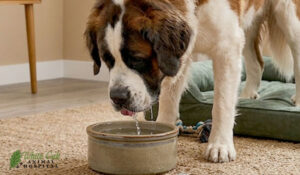 Hydration matters more than most people realize. Older dogs dry out internally. Joint fluid quality suffers. Dry tissue does not heal well. Diets that lack moisture add to the problem.
Metabolic stress plays a role too. Excess weight increases joint load. Poor digestion limits nutrient absorption. Inflammation rises systemically, not just in the joint.
This is where integrative care shifts the strategy. Instead of asking how to mask dog arthritis symptoms, we ask why the joint environment keeps breaking down.
Integrative protocols aim to reduce inflammation from multiple angles, improve circulation to joint tissue, support cartilage and connective tissue, preserve muscle mass, and match treatment to the dog’s constitution.
Pain relief stays part of the plan. It just stops being the only tool.
An Integrative Response to Dog Arthritis Symptoms
Managing dog arthritis symptoms works best when daily habits support joint health. Food therapy sits at the center of that plan.
Food Therapy and Hydration
Wet or home-cooked diets reduce inflammatory load and improve hydration. Less weight on the joints means less mechanical stress. Better hydration improves joint fluid quality.
We often guide owners to the PET | TAO Recipe Page to help tailor meals, including the PET | TAO Cooling (Chill) Recipe for sore, inflamed dogs.
Diet choice depends on how arthritis presents, not a one-size plan.
Supplements and Joint Support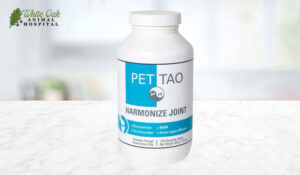
Targeted supplements support joints without relying solely on pharmaceuticals. Many owners incorporate Comfort to help modulate discomfort and Harmonize Joint to support cartilage and connective tissue health.
Kidney Support
In Traditional Chinese Veterinary Medicine, Kidney function relates to bones and joints. Supporting this system matters for aging dogs, which is why we recommend freeze-dried kidney treats as part of long-term joint support.
Acupuncture and Herbal Therapy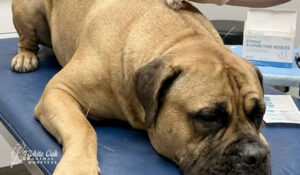
Acupuncture improves circulation and reduces inflammatory signaling. When paired with TCVM herbal formulas, results are often stronger.
Herbal options commonly used include Du Huo Ji Sheng Tang, Di Gu Pi San, Si Jun Zi Tang, Dok’s Formula, and Wei Qi Booster.
Each formula targets a different arthritis pattern. Selection based on your dog’s TCVM pattern is important.
Conclusion
Dog arthritis symptoms do not fade with time. They compound. Waiting limits options and speeds decline.
Integrative care works because it treats arthritis as a system problem, not just a sore joint. Food therapy supports daily inflammation control. Supplements protect cartilage. Acupuncture improves circulation. Herbal formulas address deeper imbalances. Western medicine supports comfort when needed.
This layered approach allows us to personalize care. No two dogs follow the same plan. Age, activity, constitution, and disease stage all matter.
 White Oak Animal Hospital has more than 28 years of experience with integrative veterinary care. We combine Western diagnostics with TCVM insight to build plans that fit real dogs and real lives. For clients outside Fairview, TCVM telemedicine consultations allow us to guide care remotely and coordinate with your primary veterinarian.
If your dog shows dog arthritis symptoms, the next step is clarity. An in-clinic visit or telemedicine consultation helps define the pattern and map a plan that makes sense now, not after decline sets in.
Frequently Asked Questions
How early can dog arthritis symptoms appear?
Dog arthritis symptoms can appear as early as middle age, especially in large breeds or dogs with prior injuries. Subtle stiffness after rest is often the first sign.
Can diet changes really affect joint pain in dogs?
Yes. Diet influences inflammation, hydration, and body weight. Wet or home-cooked diets often reduce joint stress and support tissue health.
Are TCVM herbs safe alongside Western medications?
When prescribed correctly, TCVM herbs can be used alongside Western treatments. Proper oversight matters to avoid interactions.
When should we choose telemedicine for arthritis care?
Telemedicine works well for diet guidance, supplement planning, and TCVM herb selection, especially when local options are limited.
How long before integrative treatments show results?
Some dogs improve within weeks. Others need several months. Response depends on disease stage, consistency, and overall health.
If your dog shows dog arthritis symptoms, scheduling an appointment or TCVM telemedicine consultation is often the most direct way to build a clear, personalized care plan.
Related Posts
 Top Dog Arthritis Natural Remedy Options
Dog arthritis is one of the most common ailments among senior pets. After seeing white…
 Dog Arthritis Herbal Remedy Options For Holistic Pet Parents
Are you seeking a dog arthritis herbal remedy? Treating arthritis in dogs with natural options…
 Can Natural Dog Cancer Treatment Help Your Dog?: 5 Powerful Reasons to Try Integrative Methods
Many pet owners are now looking into available natural dog cancer treatments as a complementary…
 Effective Relief For Allergic Dog Symptoms
An allergic dog is easy to spot! Sure, all dogs itch and scratch, but you…