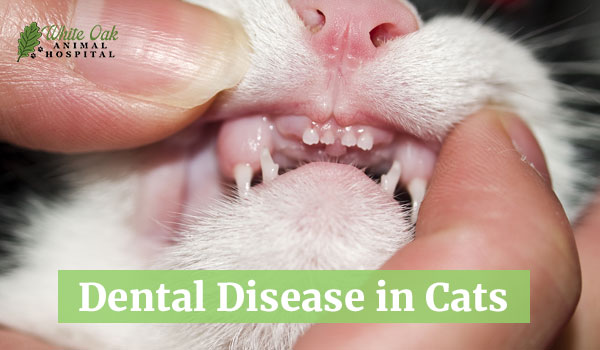
Dental disease in cats is more common than many owners realize—and often far more painful. Inflammation, infection, and oral damage often go unnoticed until your cat starts eating less, drooling, or losing weight. By then, the disease may be advanced.
Dental disease in cats is a progressive condition caused by plaque, tartar buildup, and abnormal immune responses. It often starts with gingivitis and ends with bone loss, tooth resorption, or extractions. More than half of cats over four have signs of oral disease, and many hide the pain until it affects their appetite.
Plaque is a known cause, but it’s not the only one. There are hidden factors that make oral disease worse or harder to treat. Stress, viruses, immune dysfunction, and other systemic conditions can all influence how dental problems start or progress.
 At White Oak Animal Hospital, we take an integrative approach. We combine Western veterinary medicine with Traditional Chinese Veterinary Medicine, herbal support, food therapy, and alternative care to manage dental disease in cats from the inside out. Understanding these root causes can help you act early—and save your cat from chronic pain.
Dental Disease in Cats and the Role of Hidden Inflammation
Many cats with dental disease don’t show signs until there’s visible gum damage or loose teeth. What’s often missed is that inflammation can build up long before the damage is obvious. Cats with inflammation elsewhere in the body are at greater risk for gum disease and tooth loss.
The process usually starts with plaque. This sticky film collects bacteria and food debris around the gumline. The body’s immune system responds, sometimes too aggressively. That immune reaction inflames the gums and soft tissues, especially in cats already managing chronic inflammation.
Conditions like arthritis, allergies, and kidney disease can increase the body’s baseline inflammation. This affects how your cat’s immune system reacts to bacteria in the mouth. Instead of just cleaning up plaque, it starts damaging the tissue that supports the teeth.
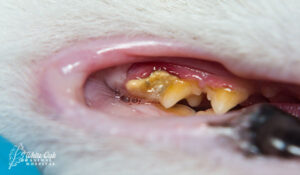 Gingivitis, a common stage of dental disease in cats, often shows up as red, swollen gums. It’s painful and can make eating difficult. Left untreated, it turns into periodontitis, which breaks down ligaments and bone. According to the MSD Veterinary Manual, periodontitis is irreversible once it reaches the deep supporting structures of the teeth.
In Traditional Chinese Veterinary Medicine, chronic oral inflammation is seen as a whole-body pattern. It’s not a problem with the mouth alone—it reflects imbalances in digestion, stress regulation, and immune function. Integrative care works by targeting all of these.
That’s why we see better outcomes when inflammation is managed through diet, herbs, and regular cleanings. When you address inflammation early, dental disease in cats becomes easier to treat and less likely to come back.
Dental Disease in Cats from Viral and Systemic Illnesses
Some cats have healthy teeth until something deeper changes. Viral infections and chronic diseases often show up in the 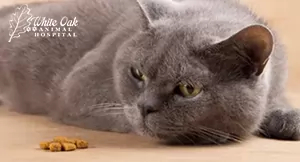 mouth first. These cats develop sudden oral pain, inflamed gums, or ulcers—and standard cleanings may not be enough.
Viral illnesses like calicivirus, feline leukemia virus (FeLV), feline herpesvirus, and feline immunodeficiency virus (FIV) affect immune function. These viruses weaken the body’s ability to control bacteria and heal soft tissue. That sets the stage for gum disease, tooth resorption, and mouth ulcers.
Infections aren’t the only issue. Diabetes, kidney disease, and autoimmune conditions can also worsen dental disease in cats. These illnesses interfere with tissue repair, increase inflammation, and make it harder to control plaque buildup.
Some cats with viral or systemic illness show recurring gingivitis, painful red gums, drooling, or refusal to eat dry food. Others lose weight or avoid being touched near the face. These signs may be subtle, but they often point to a deeper problem that needs more than routine cleaning.
At White Oak Animal Hospital, we always look for underlying causes. We run bloodwork, check viral status, and review history before making a plan. Some cats need medical support beyond dental work—like antiviral therapy, immunomodulators, or dietary changes.
Dental disease in cats doesn’t always start in the mouth. When it’s linked to systemic illness, you need to treat the whole body—not just the teeth. This is where integrative care offers long-term relief and fewer flare-ups.
Why Tooth Resorption and Enamel Defects Are Easy to Miss
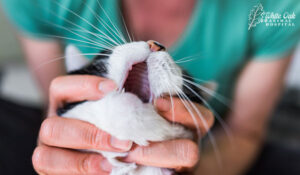 Tooth resorption is one of the most common reasons cats lose teeth. It’s also one of the hardest to spot. Unlike cavities in people, resorption starts from within the tooth and slowly breaks down the structure from the inside.
Cats rarely show signs until the damage is severe. They may chew on one side, eat less, or avoid dry food. Some just drool or hide more. These are often dismissed as age-related, but they point to a serious stage of dental disease in cats.
Resorptive lesions can’t be seen easily without dental x-rays. A vet may notice gum inflammation or a broken crown, but the root damage is hidden unless examined under anesthesia. In many cases, the root is already reabsorbing into the jawbone.
The cause of resorption isn’t fully understood, but inflammation plays a role. Periodontal disease, autoimmune responses, and even past trauma can all be factors. According to Cornell University, as many as 70% of cats over 5 show signs of resorption.
Another hidden problem is enamel defect. Cats who had high fevers as kittens or poor early nutrition may grow adult teeth with weak or missing enamel. These defects make teeth more prone to decay, fracture, and gum infection.
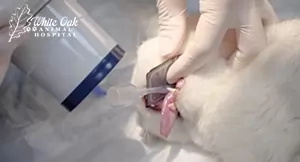 White Oak Animal Hospital performs full-mouth x-rays during dental cleanings to catch these conditions early. We also use food therapy, herbal rinses, and pain management tailored to each case. Addressing the full pattern helps slow future damage and support recovery from even advanced dental disease in cats.
Dental disease in cats often goes far beyond bad breath or yellow teeth. It can start with inflammation or infection but is often tied to deeper immune, viral, or systemic issues. These hidden causes make the disease harder to treat and more likely to come back.
That’s why early intervention matters. Waiting until a cat shows signs of drooling, food refusal, or weight loss means the disease is already painful. When you act early, you give your cat the best chance at avoiding extractions, pain, and complications from bone loss.
 White Oak Animal Hospital has spent 28 years helping pets in Fairview and surrounding areas with comprehensive care. We look at the full picture—oral symptoms, medical history, behavior, and immune health. Our team blends advanced diagnostics, TCVM, and supportive care to build practical and personalized plans.
We also offer teleconsultations for integrative support if you’re outside the area and need help with managing dental disease in cats. If your cat is showing any oral symptoms—or if they haven’t had a recent dental checkup—this is a good time to get ahead of it.
Preventing dental disease means managing more than just tartar. It means addressing your cat’s whole health, with the right tools at the right time.
Frequently Asked Questions
Can dental disease in cats affect other organs?
Yes. Infections in the mouth can spread through the bloodstream and put strain on the heart, liver, and kidneys. This is especially risky for older cats or those with other health conditions.
What is tooth resorption and how is it treated?
Tooth resorption happens when a cat’s tooth starts breaking down from the inside. It’s painful and often leads to tooth loss. Treatment usually involves removing the affected tooth under anesthesia. Full dental x-rays are needed to diagnose it correctly.
Are there early signs of dental disease in cats I can watch for?
Yes. Look for changes in eating behavior, bad breath, drooling, pawing at the face, or blood around the gums. Some cats become quieter or stop grooming. These may be early warning signs.
Can integrative medicine really help with dental disease in cats?
Yes. It can reduce inflammation, improve healing, manage pain, and support long-term oral health. We use food therapy, acupuncture, herbal rinses, and conventional care when needed.
Should my cat get annual dental x-rays even if they seem fine?
Yes. Some issues like root infections or resorption don’t show up on regular exams. X-rays catch problems early, before they cause pain or major damage.