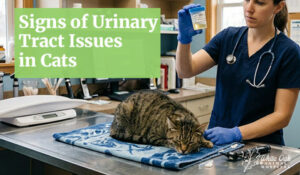

Signs of urinary tract issues in cats often appear quietly, long before anything looks urgent. Small litter box changes, subtle shifts in behavior, or reduced water intake tend to pass as quirks, yet they usually signal something deeper. We treat signs of urinary tract issues in cats as early warning signals because cats hide discomfort better than most pets, and the urinary tract is often the first system to show strain before bloodwork changes.
Urinalysis reveals changes weeks or months before routine lab panels catch up. That timing matters. Early insight gives you options beyond crisis care. Testing early shifts care from reactive to preventive. Instead of waiting for pain, obstruction, or emergency visits, we use urine data to guide decisions that protect long-term health through a model grounded in Western Veterinary Medicine and integrative diagnostics.
A urinalysis shows urine concentration, protein loss, inflammation markers, infection indicators, and crystal formation. Bloodwork alone cannot show that full picture early. Our approach blends lab data with pattern assessment, pulling insight from Traditional Chinese Veterinary Medicine alongside modern diagnostics to build care plans that fit how cats actually function.
Cats rarely tell you when something feels off. Timing matters. Acting early when signs of urinary tract issues in cats first appear keeps more paths open and avoids rushed decisions later.
Signs of Urinary Tract Issues in Cats That Point to Kidney Stress
Signs of urinary tract issues in cats often point to kidney stress long before kidney disease appears on routine blood panels. The kidneys manage fluid balance and waste removal, and urine reflects those changes early. When kidney workload increases, urine concentration shifts before lab values rise, which is why signs of urinary tract issues in cats deserve attention even when bloodwork looks normal.
Urine concentration tells a clear story. Healthy kidneys conserve water efficiently. When that ability declines, urine becomes more dilute, even if creatinine and BUN remain within reference ranges. This gap explains why early kidney stress often goes unnoticed without urine testing.
Hydration patterns influence this process. Cats that drink less, rely heavily on dry food, or experience chronic low-grade dehydration place constant pressure on the kidneys. Over time, that strain shows up in urine first. Bloodwork reflects damage later.
Protein leakage adds another layer. Protein belongs in the bloodstream. When it appears in urine, it often signals filtration stress or inflammation at the kidney level. Sediment changes also matter. Microscopic debris can indicate renal irritation before structural damage develops.
Many cats act completely normal during this stage. Appetite stays stable. Energy looks fine. Litter box habits appear unchanged. That normal behavior misleads owners into assuming nothing is wrong. We see this pattern often. Signs of urinary tract issues in cats do not always come with obvious pain, which is why urine data frequently leads diagnosis instead of following it.
Signs of Urinary Tract Issues in Cats Linked to Infection and Inflammation
Signs of urinary tract issues in cats linked to infection and inflammation behave differently than most people expect. True bacterial infections are less common in cats than in dogs, especially in younger adults. Inflammation without bacteria is far more common, yet it produces similar symptoms. This overlap explains why signs of urinary tract issues in cats often get misinterpreted.
Sterile inflammation can cause frequent urination, straining, blood in the urine, and litter box avoidance. These signs look identical to infection on the surface. Urinalysis separates the two by identifying white blood cells, bacteria, and inflammatory markers. Without that data, treatment turns into guesswork.
This distinction matters because antibiotics only help when bacteria are present. When inflammation drives symptoms, antibiotics do nothing except disrupt the gut and delay real resolution. Many cats labeled with recurrent UTIs actually struggle with inflammatory bladder conditions similar to those described in UTIs in Cats but without active infection.
 Urine pH plays a role as well. Imbalanced pH irritates the bladder lining and worsens inflammation. Stress amplifies this effect. Environmental changes, household tension, schedule disruption, and indoor confinement all influence bladder health through nervous system pathways.
Urinalysis prevents unnecessary medication cycles by clarifying what is actually happening. It allows us to shift focus toward hydration, stress reduction, diet adjustments, and integrative support instead of repeating treatments that miss the problem. This is where a blended approach that includes Alternative Treatments helps stabilize recurring inflammatory patterns.
Urinary Changes That Signal Bladder Stones and Obstruction Risk
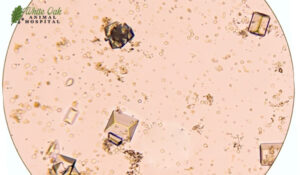 Urinary crystals form gradually, not overnight. They develop as urine chemistry shifts over time, often long before blockage or emergency symptoms appear. Early testing identifies this process before it escalates. Signs of urinary tract issues in cats tied to crystal formation often remain subtle until obstruction risk rises.
Diet, mineral balance, and hydration shape urine chemistry every day. When these factors drift out of balance, crystals begin to form. Urinalysis identifies crystal type, quantity, and trends over time, which matters more than a single snapshot.
Imaging alone does not replace urine testing. X rays miss early crystal formation, and ultrasound usually detects stones only after they grow large enough to visualize. Urine chemistry explains why stones form in the first place and how to prevent recurrence.
Male cats face higher obstruction risk due to narrower anatomy. Even small crystal loads can block urine flow. Early detection lowers emergency risk by allowing targeted diet changes and hydration strategies before the urethra becomes compromised.
Recurrence remains common when urine chemistry stays unchanged. Removing stones or relieving obstruction without correcting the underlying environment solves the short-term issue only. Signs of urinary tract issues in cats often return when chemistry remains unaddressed, which is why urinalysis stays central to long-term management.
Conclusion
Urinalysis works best as a baseline tool, not a last step. It shows how your cat’s body functions now, not how much damage already exists. That shift in perspective changes outcomes and preserves options.
At White Oak Animal Hospital, we treat urine data as part of a larger picture. We combine laboratory findings with whole-pet evaluation to understand patterns instead of chasing isolated symptoms. This approach blends Western diagnostics with Traditional Chinese Veterinary Medicine insight and personalized planning.
Integrative care plans address hydration habits, diet composition, stress load, and constitutional tendencies alongside medical findings. This reduces recurrence and limits crisis-driven care. Telemedicine TCVM consultations add continuity and allow ongoing support for cats with chronic urinary patterns.
With over 28 years of clinical experience, we focus on early intervention because waiting limits choices. If you notice changes in litter box habits, urine appearance, or behavior, testing early gives clarity and protects long-term comfort.
Frequently Asked Questions
How often should a cat have a urinalysis if no symptoms appear
Preventive urinalysis helps establish a baseline. For healthy adult cats, yearly testing often makes sense. Senior cats or those with prior urinary concerns benefit from more frequent checks. Normal behavior does not always reflect normal urine, and early shifts often appear silently.
Can urinalysis detect kidney disease before bloodwork
Urinalysis often detects functional kidney changes first. Dilute urine, protein leakage, and inflammatory sediment usually appear before creatinine or BUN levels rise. This lead time allows intervention while kidney function remains adaptable.
Do indoor cats still develop urinary tract issues
Indoor cats face different risks rather than fewer risks. Limited movement, stress exposure, and low moisture diets affect urinary health. Litter box behavior offers valuable clues, even without accidents or obvious discomfort.
Does food choice affect urinalysis results
Food directly shapes urine chemistry. Moisture content influences concentration, mineral balance affects crystal risk, and protein sources alter pH. Food therapy decisions rely on urine data because labels alone do not predict urinary response.
Related Posts
 How to Treat Urinary Tract Infections in Cats: 5 Proven Methods That Work
Understanding how to treat urinary tract infections in cats starts with recognizing the causes and…
- What's the Best Cat UTI Natural Remedy?
A cat UTI natural remedy might be a surprising solution for your kitty's litter box…
 Best Dog UTI Natural Remedy Options For Holistic Pet Parents
A dog UTI natural remedy may help a pet suffering from bladder health challenges. These…
 How to Treat a Cat UTI At Home
A cat UTI is more common in female cats than male cats. However, male cats…