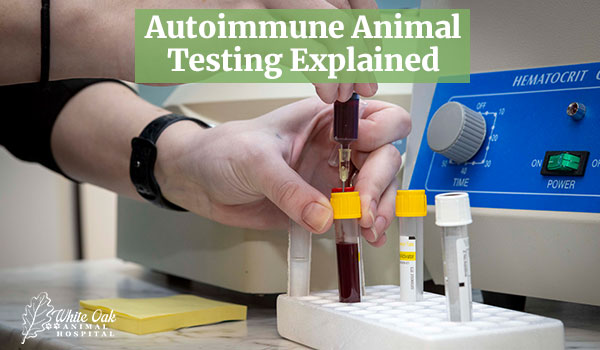
Autoimmune animal testing often starts with a simple blood panel, but the meaning behind the numbers tells a much bigger story. In dogs and cats, autoimmune disease rarely announces itself clearly. Symptoms come and go. Infections seem to clear, then return. Medications help briefly, then stop working.
Pets cycle through antibiotics. Skin flares calm down, then erupt again. Energy improves, then drops. On the surface, it looks like poor luck or timing. Underneath, the immune system may be misfiring in ways consistent with autoimmune animal testing findings rather than routine illness.
The complete blood count, or CBC, sits at the front line of autoimmune animal testing. It does not diagnose immune disease on its own. What it does is raise early red flags when immune behavior no longer fits infection, stress, or aging.
Western diagnostics help us identify measurable shifts using Western Veterinary Medicine principles, while Traditional Chinese Veterinary Medicine interprets imbalance, heat, deficiency, and stagnation driving those shifts over time. In autoimmune animal testing, this combined view explains why numbers alone rarely tell the full story and why patterns matter more than single results.
Autoimmune Animal Testing Starts With White Blood Cell Patterns
White blood cells sit at the center of autoimmune animal testing because they respond quickly when immune balance breaks down. These cells shift with infection, stress, inflammation, and immune dysregulation. The challenge lies in separating short-term reactions from immune-driven patterns.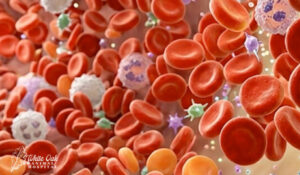
In many autoimmune animal testing cases, white blood cell changes do not follow infection rules. Counts may rise without fever or linger despite treatment. Fluctuations may occur with no clear trigger. A single CBC snapshot often misleads, while trends across time reveal immune behavior more clearly.
Neutrophils often rise during infection, but autoimmune inflammation can also push them higher without bacteria. Chronic stress elevates neutrophils too, yet stress-related changes usually normalize. Immune activation tends to persist. Lymphocytes tell a different story. Suppressed counts may point to immune exhaustion, while elevation suggests dysregulation rather than protection.
Monocytes frequently increase with long-standing inflammation, signaling tissue-level immune activity. Eosinophils and basophils may reflect immune hypersensitivity or allergic crossover in autoimmune disease. Patterns like these align closely with what is seen in autoimmune disease in pets rather than simple infection.
Western diagnostics flag abnormal counts, while Traditional Chinese Veterinary Medicine interprets these trends as heat, damp-heat, or deficiency states. Autoimmune animal testing depends on recognizing these white cell patterns early, before chronic damage takes hold.
Autoimmune Animal Testing and Red Blood Cell Clues We Take Seriously
Red blood cell changes often appear before autoimmune disease becomes obvious. After autoimmune animal testing, some pets show partial improvement with supplements or diet changes, only to relapse weeks later.
Sudden drops in red blood cell count or hematocrit without bleeding raise concern. In immune-mediated cases, red cells may be destroyed faster than the body can replace them. MCV and MCHC values help determine whether the bone marrow responds appropriately or struggles under immune pressure.
Reticulocyte counts reveal how hard the marrow is working. A strong response suggests compensation, while a weak response may point toward immune suppression or marrow involvement. Persistent anemia that resists standard support often signals immune-driven destruction rather than nutritional deficiency.
Western diagnostics help identify anemia type and severity. Traditional Chinese Veterinary Medicine evaluates Blood deficiency, Heat in Blood, or Qi collapse to explain why recovery stalls. This mirrors principles used in Holistic Approaches to Handling Dog Autoimmune Disease, where immune balance guides long-term care.
Autoimmune animal testing uses red blood cell trends to flag immune interference early, allowing intervention before anemia becomes severe or life-limiting.
Platelets, Inflammation Ratios, and the Bigger Autoimmune Picture
Platelets complete the autoimmune animal testing picture. They do far more than control clotting. Platelets respond to inflammation, immune signaling, and vascular stress, making them reliable markers of ongoing imbalance.
 Low platelet counts may reflect immune-mediated destruction, while elevated platelets often appear as a reactive response to chronic inflammation. Both patterns matter in autoimmune animal testing. Ratios provide additional insight, especially the neutrophil-to-lymphocyte ratio, which often reflects immune stress more accurately than absolute numbers.
Mild abnormalities repeated over time often carry more weight than dramatic spikes. Chronic autoimmune disease reshapes CBC trends slowly, creating patterns that only serial testing can reveal. This is why routine monitoring during Routine Examinations plays such a key role in early detection.
CBC trend tracking helps guide medication decisions and treatment pacing. Integrative planning combines Western diagnostics with Traditional Chinese Veterinary Medicine and carefully selected Alternative Treatments to support immune modulation without over-suppression. Autoimmune animal testing becomes far more useful when platelet data and inflammation ratios complete the picture.
Conclusion
Autoimmune animal testing works best when it moves beyond isolated lab values. A CBC does not deliver final answers. It raises informed suspicion. Patterns guide questions, and trends shape decisions over time.
White blood cell shifts reveal immune behavior. Red blood cell changes point toward destruction or suppression. Platelet patterns confirm ongoing imbalance. Together, these findings tell a story no single number can explain.
 At White Oak Animal Hospital, we combine Western diagnostics with Traditional Chinese Veterinary Medicine to bring clarity and balance to immune-driven conditions. This integrative approach allows earlier action and better long-term support. With personalized plans, TCVM telemedicine consultations, and more than 28 years of experience managing chronic disease, we help pets move toward stability rather than endless cycles.
If your pet shows recurring infections, unexplained anemia, or lab changes that never quite normalize, schedule a consult. Ask about deeper immune evaluation, trend-based testing, and integrative care options built around your pet rather than isolated results.
Frequently Asked Questions
Can autoimmune disease show up on a normal CBC?
Yes. Early-stage immune dysfunction may not push values outside reference ranges. Autoimmune animal testing relies on trends across time, not just one normal result.
How often should CBC testing be repeated for autoimmune concerns?
Timing depends on severity and response. Many cases benefit from repeat testing every four to eight weeks while patterns evolve or treatment adjusts.
Is autoimmune animal testing different for dogs and cats?
Yes. Dogs and cats express immune imbalance differently. Species-specific patterns guide interpretation and monitoring plans.
Does Traditional Chinese Veterinary Medicine replace blood testing for autoimmune disease?
No. Blood testing shows what is happening. Traditional Chinese Veterinary Medicine helps explain why it is happening and supports balance alongside diagnostics.
What symptoms usually prompt autoimmune animal testing?
Recurring infections, chronic skin disease, unexplained anemia, fatigue, weight loss, or poor response to standard care often signal the need for deeper immune evaluation.
Related Posts
 Finding the Best Animal Surgeon Near Me: The #1 Guide on Finding a Trustworthy Animal Surgeon
Finding an experienced and trustworthy animal surgeon near me is a crucial step in ensuring…
 5 Reasons Why You Should Choose this Exceptionally Rare Fairview Animal Hospital: An Experience in White Oak Animal Hospital
Choosing a veterinary clinic for your pet is hard, and this unconventionally exceptional Fairview Animal…
 Choosing the Right Animal Doctor Near Me: Discover 5 Qualifications That Matter
In responsible pet ownership, choosing the ideal animal doctor near me is paramount. This decision…
 Exploring the 5 Roles of an Animal Doctor: Pawsitively Amazing Services for Your Pets
Animal doctors are dedicated to caring for animals. They play an important role in taking…