 Arthritis in cats signs and symptoms often go unnoticed because cats don’t show pain like dogs do. They hide it well. What looks like slowing down with age might be chronic joint pain. Cats don’t cry out or limp unless the pain is bad. Most people miss the early signs.
 At White Oak Animal Hospital in Fairview, TN, we see this often. That’s why we take an integrative approach. We don’t rely on one treatment path. We use Western medicine, Traditional Chinese Veterinary Medicine (TCVM), and alternative therapies. Each cat gets a personalized plan that actually fits. We’re not guessing—we’re building care based on what works together.
We’ve treated hundreds of cats with arthritis by combining safe medications with acupuncture, herbal formulas like Di Gu Pi San, and even lifestyle changes. The goal isn’t just to mask pain—it’s to slow progression and give your cat comfort, independence, and better quality of life.
If you’re seeing small changes in your cat’s behavior, don’t brush them off. Here’s how to spot early signs and what to do about them using an integrative veterinary approach.
Arthritis in Cats Signs and Symptoms You Should Never Ignore
 Arthritis in cats signs and symptoms aren’t always obvious. Pain hides in the small changes.
You might notice your cat isn’t grooming like before. Maybe they get snappy when touched or spend more time under the bed. These behavioral changes are early clues.
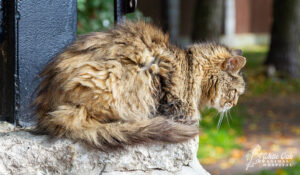
Then there are physical signs. A stiff walk, favoring one side, or a hunched back. Overgrown nails from reduced scratching. These are signs of decreased mobility.
Some cats miss the litter box or stop grooming altogether. Others show matted fur or dandruff. These things might look like aging, but they often mean discomfort.
The American Animal Hospital Association notes that many cat owners mistake these for normal aging. But they’re often signs of chronic pain.
 One tool we use is video. If you’re unsure, take short clips of your cat walking, jumping, or eating. Subtle changes in movement show patterns over time. These clips help us track progression, adjust treatment, and catch flare-ups early.
At White Oak, we don’t just ask about limping. We also want to know how long your cat sleeps, where they sleep, and what they avoid. These changes matter.
By spotting signs and symptoms of arthritis in cats early, you give your vet more time to slow things down before pain takes over.
Why Most Cats Go Undiagnosed: The Hidden Cost of Waiting
Most people miss arthritis in cats signs and symptoms until things are bad. That’s because cats are biologically wired to hide pain. It’s a survival instinct. By the time they limp or vocalize, joint damage is often advanced.
Waiting has a cost.
Pain builds silently. Cats will shift weight, move less, or avoid play to cope. They may become distant, anxious, or aggressive.
Late-stage treatment is harder. More medication is needed. Muscle loss makes rehab slower. Joint changes can’t always be reversed.
This is where TCVM helps. At White Oak, we use tools like tongue color, pulse quality, and constitution to detect early imbalance. These may signal arthritis risk before physical symptoms show.
In TCVM, we look for patterns like kidney deficiency, which weakens bones. Cold-Bi syndrome, which causes stiff joints. Qi and blood stagnation, which blocks healing.
 This early lens lets us treat cats before they decline. That’s a huge advantage over waiting for X-rays or joint swelling. We can start herbs, acupuncture, or food therapy right away—even before clinical pain shows.
If you’re noticing arthritis in cats signs and symptoms—even minor ones—it’s better to act now. Early support gives you more options, fewer drugs, and less suffering for your cat.
What Works Best: Western Meds, Herbal Therapies, or Acupuncture?
There’s no single best answer to arthritis in cats. Western medicine is good for pain control. TCVM is better for long-term balance. Acupuncture fills the gap in between. At White Oak, we use all three.
Western options include gabapentin for nerve pain, omega-3s and joint supplements, and feline-safe NSAIDs. These work well short-term, especially during flare-ups. But long-term use carries risks for kidneys and liver.
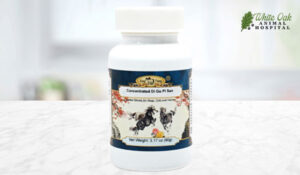 Herbal medicine fills in gaps. Our TCVM vets use Di Gu Pi San to cool inflammation and support kidney health. Dok’s Formula improves circulation and clears heat from joints.
These formulas treat the underlying imbalance, not just the pain. Herbs are safe to give long term.
Acupuncture bridges both systems. Clinical research shows it helps increase endorphin release, reduce joint inflammation, and improve mobility. Most cats tolerate acupuncture well—many fall asleep mid-session.
We also use food therapy to reduce internal dampness or cold.
These tools support the body’s healing system without stressing organs.
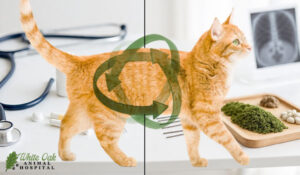 What sets White Oak apart is how we combine them. We don’t just stack treatments. We time them to your cat’s needs and tolerances. We rotate herbs based on seasonal shifts. We adjust acupuncture points depending on your cat’s pattern that week.
That’s what an integrative approach means: using arthritis in cats signs and symptoms to guide a whole-body care plan—one that evolves as your cat ages.
If you’re spotting arthritis signs and symptoms of arthritis in your cats—even if they’re small—your cat may already be in pain. The earlier we intervene, the more comfortable they’ll stay.
 At White Oak Animal Hospital, we don’t believe in one-size-fits-all arthritis care. We use acupuncture, TCVM herbs, joint supplements, and physical rehab in custom plans that change over time. Each plan is built to meet your cat’s needs, not a checklist.
We’ve been serving Fairview, TN for 28+ years. Our integrative approach gives us tools most clinics don’t use—like pattern diagnosis, herb matching, and remote care options. That means you don’t have to wait for a flare-up. We can support your cat now, with less risk and better comfort.
 We also offer TCVM telemedicine consultations if you can’t come in person. These remote sessions let us assess tongue, posture, and pulse-based symptoms via video. It’s a powerful way to start care from home, especially for senior or nervous cats.
Don’t wait for things to get worse. If your cat is slowing down, skipping the litter box, or just not acting like themselves, let’s check it out together.
Book an integrative consult—in person or remote—and see how combining acupuncture, herbs, and Western care can keep your cat moving and pain-free longer.
Frequently Asked Questions
1. What is the best supplement for cat arthritis pain?
Common options include glucosamine, chondroitin, and green-lipped mussel. At White Oak, we often combine these with TCVM herbs like Dok’s Formula for a more complete approach to joint support.
2. Can acupuncture really help cats with arthritis?
Yes. Research shows acupuncture improves mobility, calms inflammation, and supports natural pain control in cats. It also pairs well with herbs or medications for better results.
3. Is it safe to give herbs to cats?
Only under veterinary supervision. Cats are sensitive to certain herbs, and some formulas made for dogs or humans can be toxic. At White Oak, we use cat-specific herbal products and monitor dosing carefully.
4. How do I know if my cat’s arthritis is getting worse?
You might notice more limping, loss of appetite, missed litter box use, or changes in sleeping spots. These signs often mean pain is increasing. We recommend re-evaluating care plans when symptoms shift.
5. What’s the difference between Western and holistic treatments?
Western care targets the symptom (pain). Holistic medicine—like TCVM—looks for the root cause, like cold or Qi stagnation. At White Oak, we use both together to improve comfort while addressing the deeper imbalance.