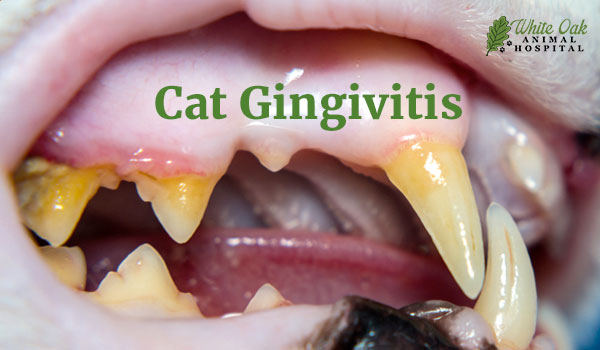
Cat gingivitis is a common yet often overlooked issue. It refers to inflammation of the gums, primarily caused by plaque and tartar buildup on your cat’s teeth. If left untreated, gingivitis can progress into more severe oral health problems such as periodontal disease, which can lead to tooth loss and even affect your cat’s overall health. Recognizing cat gingivitis early and addressing it can prevent these complications and even reverse the condition with proper care.
The good news is that cat gingivitis is treatable. With professional care, a proper dental routine, and a few home care practices, you can help your cat maintain healthy gums and teeth. This article will explore the most effective solutions for treating cat gingivitis, including professional dental cleanings, brushing, dental diets, and regular veterinary check-ups.
What Is Cat Gingivitis?
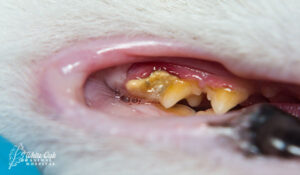 Cat gingivitis is a condition where the gums become inflamed, typically due to the accumulation of plaque and tartar. Plaque is a sticky film of bacteria that forms on the teeth, and over time, if it is not removed, it can harden into tartar. Tartar buildup causes irritation and swelling of the gums, leading to gingivitis.
This condition is considered the early stage of periodontal disease, which is a more serious and advanced stage of oral health issues. If gingivitis goes untreated, it can lead to gum recession, tooth loss, and even systemic health problems. Thankfully, when caught early, gingivitis is reversible.
The main causes of cat gingivitis include poor dental hygiene, such as lack of brushing, and diets that don’t naturally help remove plaque. Other factors like old age, soft food diets, and crowded teeth can increase the risk of gingivitis. Cats with certain health conditions, like feline leukemia (FeLV), feline immunodeficiency virus (FIV), or diabetes, are also more likely to develop gingivitis due to a compromised immune system.
Signs of gingivitis in cats can be subtle at first. Symptoms typically include red or swollen gums, particularly near the back teeth, and visible plaque and tartar buildup. Bad breath, or halitosis, is another sign of gingivitis, along with difficulty eating or chewing. If left unchecked, these symptoms will only worsen, eventually leading to more severe oral health issues.
4 Effective Solutions for Treating Cat Gingivitis
The good news is that gingivitis is treatable with the right interventions. Here are the four most effective solutions for managing and treating cat gingivitis.
 Professional Dental Cleanings
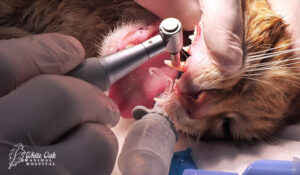
A professional dental cleaning is one of the best ways to treat cat gingivitis. During this procedure, a veterinarian will remove plaque, tartar, and calculus both above and below the gumline. These cleanings are typically performed under anesthesia to ensure that your cat remains still and comfortable during the procedure. Professional cleanings not only help treat gingivitis but also prevent it from advancing to periodontal disease. Routine cleanings, ideally done once a year, are essential for maintaining good oral health and stopping gingivitis in its tracks.
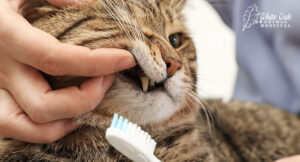 Brushing Your Cat’s Teeth
Brushing your cat’s teeth is the most effective at-home solution for preventing and treating gingivitis. Regular brushing removes plaque before it hardens into tartar. Ideally, brushing should be done daily, or at least several times a week. Use a cat-specific toothbrush and toothpaste to avoid harmful chemicals found in human products. If you are new to brushing your cat’s teeth, start slowly, allowing them to get used to the process over time.
 Dental Diets and Treats
Specially formulated dental diets and treats can play a significant role in reducing plaque buildup. These diets and treats are designed to mechanically clean the teeth as your cat chews, preventing tartar from forming. Products like Greenies or Hill’s Prescription Diet Oral Care can help manage and prevent gingivitis in cats. Additionally, some treats are formulated with ingredients that support gum health and reduce inflammation.
 Regular Veterinary Check-Ups
Regular veterinary visits are essential for keeping your cat’s dental health in check. Your vet can spot signs of gingivitis early and recommend appropriate treatments. During routine check-ups, your vet will also assess the overall health of your cat’s mouth, checking for signs of plaque and tartar buildup, gum disease, and any other oral issues. Regular check-ups help catch gingivitis early, before it progresses to more severe conditions.
Integrating Traditional and Holistic Approaches for Cat Gingivitis
Combining Western veterinary care with holistic therapies can provide a well-rounded approach to treating cat gingivitis. While professional cleanings and proper oral hygiene are essential, holistic methods like acupuncture and herbal medicine can further enhance your cat’s recovery and prevent future flare-ups.
 Western Medicine and Holistic Therapies Combined
Incorporating holistic treatments alongside Western medicine offers a comprehensive approach to managing cat gingivitis. For example, acupuncture, a technique rooted in Traditional Chinese Veterinary Medicine (TCVM), can help reduce inflammation and improve blood circulation to the gums. This promotes healing and reduces discomfort associated with gingivitis. Regular acupuncture sessions may be particularly beneficial for cats who have chronic gingivitis or are recovering from dental procedures.
 Herbal Medicine
Herbal remedies, such as Huang Qi and Dang Gui, have been used in TCVM to support the healing of gum tissue and reduce inflammation. These herbs can be included as part of an integrative treatment plan that combines diet, acupuncture, and regular professional dental care. Your veterinarian may recommend specific herbs to aid in gum healing and alleviate symptoms associated with gingivitis.
Food therapy plays a significant role in supporting oral health. Certain foods and ingredients can naturally reduce plaque and tartar buildup and improve gum health. Your vet may suggest adding specific supplements or ingredients to your cat’s diet, such as omega-3 fatty acids or antioxidant-rich foods, to promote oral and overall health.
Telemedicine and Integrative Care
 Telemedicine consultations offer a convenient and accessible way to receive ongoing care and advice. At White Oak Animal Hospital, we provide telemedicine consultations that allow you to receive personalized treatment recommendations for your cat’s gingivitis. Whether you’re seeking advice on acupuncture, food therapy, or home care, telemedicine consultations give you the flexibility to manage your cat’s oral health with expert guidance.
By integrating Western and holistic approaches, you can provide your cat with a comprehensive and effective treatment plan for gingivitis.
Cat gingivitis is a common but treatable condition that requires prompt attention. Early detection and treatment are essential in preventing the progression to more severe oral diseases. Professional dental cleanings, regular brushing, and proper nutrition are effective in managing gingivitis and ensuring long-term oral health.
 Incorporating holistic treatments such as acupuncture, herbal medicine, and food therapy can further enhance the healing process and help prevent future issues. At White Oak Animal Hospital, we combine Western veterinary care with holistic therapies to provide a comprehensive approach to gingivitis and other health concerns. Our team’s experience and commitment to integrative care allow us to create personalized treatment plans tailored to your cat’s specific needs.
If you notice signs of gingivitis in your cat, it’s essential to take action quickly. Schedule a visit to White Oak Animal Hospital for a professional evaluation. We also offer telemedicine consultations, making it easier for you to access expert advice and treatment plans.
Frequently Asked Questions
What are the early signs of cat gingivitis?
The early signs of cat gingivitis include red or swollen gums, especially around the back teeth. Your cat may also develop bad breath, and you may notice plaque or tartar buildup on their teeth. Cats with gingivitis might also experience discomfort while eating or chewing.
Can I treat cat gingivitis at home?
While brushing your cat’s teeth regularly and using dental chews are helpful for managing gingivitis, professional intervention is often necessary. A veterinary dental cleaning is required to remove plaque and tartar that cannot be addressed with home care alone.
How often should my cat have their teeth cleaned?
Cats should have their teeth professionally cleaned at least once a year. However, if your cat is prone to gingivitis or other oral health issues, your vet may recommend more frequent cleanings.
Can cat gingivitis lead to more serious health issues?
Yes, untreated gingivitis can progress to periodontal disease, which can result in tooth loss and more severe health problems. Gingivitis can also lead to systemic conditions like kidney disease and heart disease if left untreated for too long.