Chronic diarrhea in cats is a frustrating problem. You change foods, try supplements, and nothing sticks. The stool might firm up one day, then turn soft again. That back-and-forth points to something more profound than diet.
At White Oak Animal Hospital, we approach chronic diarrhea in cats with a complete picture. We utilize lab testing, acupuncture, food therapy, herbal medicine, and probiotics to address the root cause, rather than just the symptom. Our goal is long-term gut repair, not just temporary relief.
We often find that chronic diarrhea in cats is linked to microbiome disruption, inflammation, and underlying imbalances described in Traditional Chinese Veterinary Medicine. These don’t always show up in bloodwork or imaging. But they do affect the gut’s ability to function.
 In this article, we’ll explain five clear signs that your cat’s diarrhea is more than a food reaction. We’ll show how we combine Western veterinary medicine with TCVM, acupuncture, and alternative treatments to get better outcomes, especially in cats that haven’t responded to traditional approaches.
Chronic Diarrhea in Cats: 3 Signs the Gut Microbiome Is Off
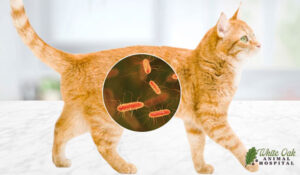 The gut microbiome is a living system made of bacteria, yeast, and viruses. In a healthy cat, these microbes keep digestion steady. They help with nutrient breakdown, vitamin synthesis, and immune response. However, when the system malfunctions, diarrhea often follows.
One red flag is inconsistent stool. You may see one firm stool followed by two soft ones. This signals microbial imbalance. Changing food rarely solves it. Chronic diarrhea in cats that varies from day to day often results from poor microbial diversity.
Antibiotics make this worse. According to AVMA, antibiotic use in cats with diarrhea may do more harm than good. Many antibiotics destroy the healthy bacteria that regulate the stool. Over time, this leaves the gut defenseless. That’s why we usually reserve antibiotics for confirmed infections, not routine diarrhea.
Another warning sign is foul-smelling stool or excess gas. This suggests fermentation issues in the colon. Fermentation  gets out of control when the wrong microbes dominate. In cats, we typically observe imbalances in the Firmicutes, Bacteroides, Lactobacillus, and Bifidobacterium genera. These groups control fermentation, and when they’re out of sync, stools become soft, slimy, or oddly colored.
To restore this balance, we use probiotics with postbiotic activity. We often recommend PET | TAO Harmonize GI, which supports normal flora and reduces stool odor. Prebiotics, such as psyllium, also nourish beneficial bacteria and help reduce inflammation.
So, when chronic diarrhea in cats doesn’t respond to food changes, the next step is to look at the microbiome. Healing this system takes time, but it’s where real progress begins.
Chronic Diarrhea in Cats: 2 TCVM Patterns Western Vets Miss
In TCVM, chronic diarrhea in cats typically relates to disharmony in the Spleen or Liver. These aren’t literal organ failures. They’re energetic patterns that describe how the body moves fluids, digests food, and manages stress. Cats with chronic stool issues often exhibit two distinct patterns.
The first is Cold-Damp Spleen Qi Deficiency. These cats have low energy. They may nap more, eat slowly, or leave food in the bowl. Their stools tend to be loose, unformed, and pass without much effort. From a Western view, this looks like IBS or colitis. However, in TCVM, it indicates weak digestion and fluid accumulation in the gut. These cats often respond to warming herbs and gentle acupuncture.
The second pattern is Liver Qi Stagnation Invading the Spleen. This presents as alternating episodes of diarrhea and constipation. The stool might firm up for two days, then go soft again. Symptoms often worsen during periods of stress, such as when new pets, loud noises, or changes in the home occur. In this case, the Liver over-controls digestion. The fix is to relax Liver Qi and support the Spleen.
 We treat both patterns with herbal formulas and acupuncture. One formula we use often is Happy Earth, which strengthens digestion and dries Dampness. It’s ideal for Cold-Damp cats with chronic soft stool. You can also learn more about TCVM diagnostics here.
For acupuncture, we use points like ST-36, SP-6, and BL-20. These regulate motility, reduce inflammation, and restore function. According to VIN, these points have measurable effects on gastrointestinal movement and hormone release.
When chronic diarrhea in cats follows a pattern, food alone won’t change the outcome. Matching the treatment to the pattern gives us a better path forward.
Why Diet Alone Doesn’t Fix Chronic Diarrhea
Many cats are put on highly digestible diets when diarrhea starts. While this may help in the short term, it usually doesn’t address the deeper problem. Chronic diarrhea in cats often involves damage to the gut lining, immune system shifts, and disruption of the flora—all of which require more than just food.
Highly digestible diets reduce the workload on the gut. They’re low in fat, simple to absorb, and minimize fermentation. However, if the stomach is inflamed or the microbiome is disrupted, these diets won’t be effective in the long term. You’ll get a few good days, followed by another flare.
Probiotics and postbiotics help restore balance. Probiotics have been shown to support the mucosal barrier, reduce inflammation, and regulate stool frequency. The science on this is growing. You can read more about it in this article.
In TCVM, we also match the cat’s food energetics to its pattern. A Cold-Damp cat may do better with warming proteins, such as lamb or chicken. A hot-type cat may need cooling protein, such as that found in duck or whitefish. Food isn’t just nutrition—it’s therapy. The right ingredients can support Spleen Qi and reduce Dampness.
Repairing the gut lining is a step that most diets overlook. Chronic diarrhea breaks down the cells lining the intestine. This leads to poor absorption and inflammation. We often use supplements like glutamine, bone broth, or marshmallow root to help rebuild that barrier.
Some cases may benefit from fecal microbiota transplant. While still experimental, FMT has shown promise in cats with long-term dysbiosis. Research from AVMA highlights the role of screening and donor selection in making this work safely.
While food trials are helpful, they are only one piece of the puzzle. When chronic diarrhea in cats continues beyond two weeks, it’s time to look at the whole gut, not just the food bowl.
Chronic diarrhea in cats doesn’t always come from food. It often reflects deeper issues, such as microbial disruption, inflammation, or energetic disharmony. You can switch foods all year and still get the same soft stool.
 At White Oak Animal Hospital, we take a different approach. We combine advanced diagnostics, herbal medicine, TCVM food therapy, acupuncture, and probiotics. Every plan is tailored to the pet’s constitution and medical history.
 We’ve been doing this work for over 28 years. Our Fairview clinic offers in-person appointments, as well as TCVM telemedicine consults for cat parents who live farther out. We specialize in hard-to-resolve cases, especially when food trials have failed.
If your cat has been struggling with long-term loose stool, don’t wait. Chronic diarrhea in cats can lead to weight loss, poor energy, and long-term inflammation. The sooner we start, the easier it is to get the gut back on track.
We’re ready to help—wherever you are in the process.
Frequently Asked Questions
Should I stop giving antibiotics for cat diarrhea?
Not without a vet’s guidance. However, for chronic diarrhea in cats, antibiotics are rarely the first line of treatment. They often make things worse by killing good bacteria. The AVMA recommends probiotics, diet therapy, and deworming before reaching for antibiotics. You can read the full article here.
What foods help cats with chronic diarrhea?
It depends on their TCVM pattern. Cold-damp cats may do better with lamb, venison, or rabbit. Others may need turkey, chicken, or duck. The goal is to support digestion and reduce internal Dampness. We recommend testing new proteins under veterinary supervision.
What’s the best probiotic for cats with diarrhea?
We look for products with Bacillus subtilis PB6 and postbiotics that reduce inflammation. One example is PET | TAO Harmonize GI. It’s designed for cats with GI upset and has shown strong results in clinical use. Learn more here.
Can acupuncture really help with chronic diarrhea?
Yes. We use acupuncture for chronic diarrhea in cats when we see signs of Qi imbalance, Liver stress, or cold in the gut. Points like ST-36, LI-11, and SP-6 are proven to regulate motility and reduce gut inflammation. Full studies are available here.
How long does it take to fix chronic diarrhea with integrative care?
Every case is different, but most cats improve within 3 to 5 weeks. Some need longer if there’s gut damage or immune involvement. We monitor progress closely and adjust care plans as needed. The key is a steady plan that focuses on gut repair, not quick fixes.