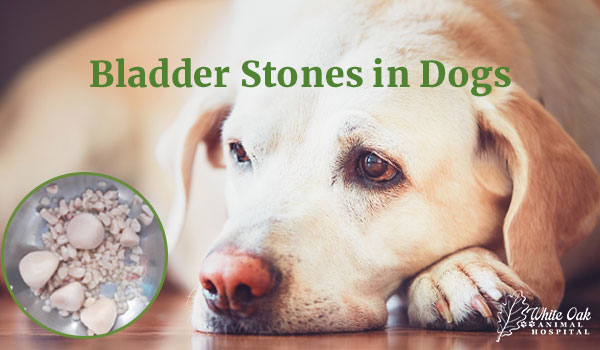
Bladder stones in dogs can be painful, persistent, and expensive if ignored. These mineral formations build up in the bladder and can lead to straining, infections, or life-threatening blockages. While many pet owners only learn about them during an emergency, the truth is that bladder stones in dogs are often preventable.
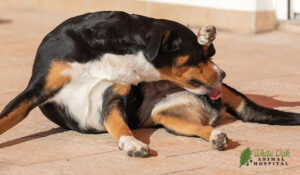 Many dogs show subtle signs for months. Straining to urinate, licking their private parts, or eliminating only small amounts can easily be overlooked. But these are often early signs of trouble.
In this article, we’ll walk you through what your vet wishes you understood sooner. From the role of food and hydration to TCVM strategies that help prevent recurrence, we’ll show you how integrative care changes outcomes. With the right plan, you can avoid surgery and keep your dog comfortable.
Bladder Stones in Dogs: Why Diet Matters More Than You Think
Diet plays a central role in the formation of bladder stones in dogs. What your dog eats directly affects their urine pH, hydration status, and mineral content—all of which influence stone formation.
Dry food often contributes to chronic low-grade dehydration. Dogs on kibble need significantly more water to stay hydrated. Without it, their urine becomes concentrated, and minerals are more likely to crystallize and clump together. According to PET | TAO, supersaturation of minerals in urine is a primary trigger.
Certain ingredients also increase stone risk. High-calcium foods, high-phosphorus proteins, and synthetic preservatives can contribute to mineral buildup. That’s where diet therapy—and specifically Traditional Chinese Veterinary Medicine (TCVM)—can help.
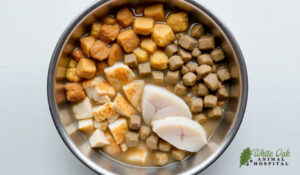 TCVM uses food energetics to cool inflammation and support bladder health. At White Oak Animal Hospital, we guide clients toward diets that support proper pH and hydration. This often includes moisture-rich foods like gently cooked meals or broths, and cooling proteins like duck or white fish.
Prescription urinary diets may help dissolve certain stones, but many clients prefer real-food alternatives with fewer additives. We offer these options through our food therapy services, designed to manage disease patterns holistically.
Whatever diet you choose, hydration is non-negotiable. Adding bone broth, water-dense vegetables, or pet-safe broths to meals helps keep urine diluted. And the more diluted the urine, the less likely stones are to form.
Bladder Stones in Dogs: Why Recurrence is so Common Without Integrative Support
Conventional medicine often focuses on removing bladder stones in dogs through surgery or dissolving diets. But it rarely addresses the reasons stones formed in the first place.
That’s why so many dogs relapse. Once stones are gone, the symptoms may return within months if the root imbalance remains unaddressed.
In TCVM, the bladder is linked to the kidney system and influenced by liver and spleen health. Bladder stones in dogs often stem from underlying heat, stagnation, or dampness in these systems.
We treat these patterns with custom herbal protocols and acupuncture to regulate urination, reduce inflammation, and support detoxification. Herbal formulas like Crystal Stone Formula are commonly used to prevent recurrence, especially in dogs with chronic urinary issues. You can read more about herbs that soothe the bladder.
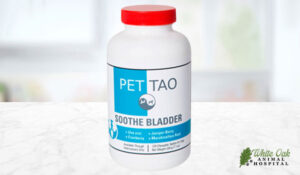 PET | TAO Soothe Bladder supplement blends Chinese herbs and Western ingredients to reduce inflammation, promote urination, and support tissue healing.
Glandulars, like beef kidney treats, can also help. In TCVM, kidney health governs urinary function. Nutrients from animal kidneys help strengthen your dog’s own organ systems.
We also use probiotics and digestive enzymes to restore gut balance. This matters more than most realize: a healthy gut helps process minerals, reduce inflammation, and support immune defense against infections—a common contributor to stone formation.
Without integrative support, it’s easy to repeat the cycle: surgery, relief, recurrence. That’s why we don’t just treat stones. We work to prevent them from coming back.
What Vets Can’t Always Say: 5 Things to Understand About Bladder Stones in Dogs
Many dog owners only learn about bladder stones in dogs when they’re facing a painful obstruction. But vets often wish they could share these insights sooner:
-
Stones form slowly and silently.
Your dog can have bladder stones for months without obvious signs. Straining, dribbling, or licking can easily be missed. -
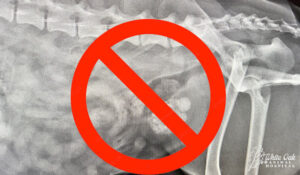 Not all stones show up on X-rays.
Some are radiolucent and only visible through ultrasound. Don’t assume a clear X-ray rules out stones. -
Small dogs are at higher risk.
Breeds like Shih Tzus, Dachshunds, and Schnauzers have smaller bladders and may not empty fully. -
Not all stones dissolve.
Some, like calcium oxalate, can’t be dissolved with diet. Stone type matters—testing is key. -
Stones often come back.
Without addressing hydration, inflammation, and food energetics, you may end up in another surgical emergency.
Dog bladder stones aren’t just a one-time crisis—they’re a whole-body issue. And that’s why whole-body support matters.
Bladder stones in dogs are painful, but they’re not random. They’re the result of long-term imbalances—diet, dehydration, inflammation, and organ function.
 At White Oak Animal Hospital, we take a different approach. We combine Western diagnostics with TCVM, herbs, acupuncture, and food therapy to not just treat but prevent bladder stones in dogs.
We also offer teleconsults if you’re outside Fairview. With 28+ years of experience, we help you build a long-term plan to keep your dog healthy.
If your dog has had urinary problems or you’re worried about early signs, take action now. Prevention is easier—and far less costly—than surgery.
Frequently Asked Questions
What are early signs of bladder stones in dogs?
Straining, blood in urine, frequent squatting, licking, and urinating small amounts. Some dogs show no signs until it’s serious.
Can bladder stones go away on their own?
Rarely. Some may dissolve with diet, but most need treatment. It’s best to work with your vet early.
How are bladder stones diagnosed?
Through X-rays or ultrasound. Some stones don’t show on X-ray, so additional tests may be required.
Is it safe to treat bladder stones with herbs and diet?
Yes, under professional guidance. We use testing to tailor a plan that combines herbs, supplements, and food energetics.
Can you help if I’m not located in Fairview?
Yes. We offer TCVM teleconsultations so you can get a personalized plan no matter where you live.