


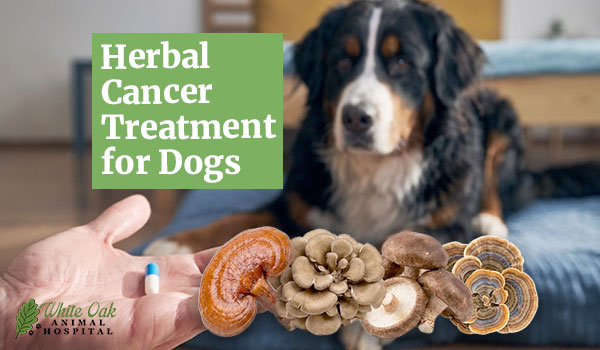
Cancer care is not only about tumor control. It is about comfort, resilience, and how your dog feels day to day. Appetite. Energy. Mobility. Emotional steadiness. Those factors shape outcomes and decision-making far more than most people expect.
A

Herbal cancer treatment for dogs focuses on tolerance and stability. The goal is not to push the body harder. The goal is to help it cope better. That means fewer setbacks, steadier energy, and better participation in care.
This article walks through five clear benefits of herbal cancer treatment for dogs when guided by TCVM principles. We explain how immune balance, digestion, pattern-based formulas, integrative planning, and quality of life fit together. Every protocol requires veterinary oversight. Herbs are powerful tools. Used correctly, they support long-term care decisions.
Herbal Cancer Treatment for Dogs and Immune System Regulation
Herbal cancer treatment for dogs supports immune balance rather than immune force. That is a key difference between TCVM and supplement-driven care.
Cancer disrupts immune signaling. Inflammation runs unchecked. Some immune pathways overreact while others weaken. TCVM views this through patterns such as deficiency and stagnation. The solution is regulation, not stimulation.
Herbal cancer treatment for dogs often includes medicinal mushrooms because of how they interact with immune cells. Beta-glucans influence macrophage signaling and natural killer cell activity. These compounds help the immune system respond more evenly instead of swinging between extremes.
Mushroom blends fit well into integrative cancer care because they work slowly and predictably. Products like PET | TAO Complement Immune combine reishi, shiitake, turkey tail, and maitake. Each supports immune communication in a different way. These products require veterinary guidance. Dose, timing, and context matter.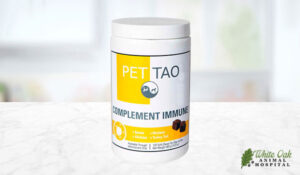
Immune balance becomes even more important during chemotherapy, radiation, or palliative care. An overstimulated immune system can worsen fatigue, appetite loss, and inflammation. A suppressed system increases infection risk. Herbal cancer treatment for dogs helps moderate that middle ground.
As tolerance data improves, immune-modulating herbs will likely become standard adjuncts in integrative oncology. The shift is already happening. The focus is moving away from aggressive immune activation and toward long-term stability.
Herbal Cancer Treatment for Dogs and Digestive Stability
Herbal cancer treatment for dogs depends heavily on digestion. Without digestive stability, nothing else works well.
Cancer and cancer treatments strain the gastrointestinal system. Appetite drops. Stool quality changes. Nausea becomes common. Poor digestion limits nutrient absorption and reduces tolerance to every therapy that follows.
TCVM prioritizes gut function early in cancer protocols. That choice often surprises people. It should not. A dog that cannot digest food cannot benefit from herbs, medications, or supplements.
Digestive enzymes and probiotics form the foundation of this approach. They support stomach comfort and nutrient uptake. They also reduce inflammation in the gut, which affects immune signaling throughout the body.
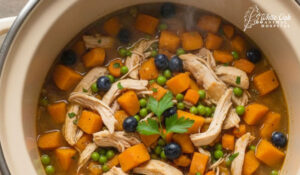
Food therapy improves herbal effectiveness. When the diet matches the dog’s needs, herbs work more predictably. When diet and herbs conflict, progress stalls. A good diet is the foundation of good health. You can quickly and easily get started with PET | TAO’s homecooked recipes.
Herbal cancer treatment for dogs works best when digestive support stays consistent. This approach lowers treatment drop-off because dogs feel better sooner.
Treating digestion first often improves outcomes more than adding stronger therapies. Many setbacks blamed on cancer progression actually start in the gut.
Pattern-Based TCVM Herbal Formulas for Cancer Support
Herbal cancer treatment for dogs differs from generic supplement use because TCVM does not treat cancer as a single disease.
TCVM selects herbs based on patterns, not diagnoses. Two dogs with the same cancer type may need very different formulas. That is why self-prescribing herbs creates risk.
Common TCVM patterns in canine cancer include Qi deficiency, blood stasis, and Wei Qi weakness. Each pattern reflects how the body responds to stress and disease.

Veterinary authorization is required for TCVM herbs. Proper selection depends on pattern identification, current treatments, and overall health. Using the wrong formula can worsen fatigue, digestion, or inflammation.
Telemedicine plays a growing role in pattern assessment. TCVM evaluations rely on history, behavior, appetite, stool, sleep, and response to stress. These details translate well through structured consultations.
Herbal Cancer Treatment for Dogs as Part of Integrative Care
Herbal cancer treatment for dogs works best when integrated with Western medicine. These approaches serve different purposes.
Western medicine focuses on tumor control. TCVM focuses on system stability and tolerance. Together, they reduce side effects and treatment fatigue.

Acupuncture supports pain control, nausea reduction, and energy balance. Food therapy aligns nutrition with treatment phases. Adjustments happen often. Flexibility matters.
Integrative planning cannot remain static. Cancer changes. The dog changes. Protocols adapt. White Oak structures care plans to reflect those shifts instead of forcing consistency where it no longer fits.
Herbal cancer treatment for dogs fits into this model as a stabilizing force. It supports the body through change rather than trying to override it.
Quality of Life Gains with Herbal Cancer Treatment for Dogs
Herbal cancer treatment for dogs ultimately comes back to quality of life.
Success metrics go beyond tumor size. We look at appetite stability, energy consistency, mobility, comfort, and emotional steadiness. These indicators guide decisions.
When dogs feel better, owners feel more confident. Decision-making becomes clearer. Care feels manageable instead of overwhelming.
Herbal support often improves daily function first. Appetite returns. Energy levels smooth out. Mobility improves enough to maintain routines. These changes matter.
Protocols need reassessment. If progress stalls or side effects appear, adjustments follow. Herbal cancer treatment for dogs works best as a living plan, not a fixed recipe.
Conclusion
Herbal cancer treatment for dogs supports long-term care by focusing on stability, tolerance, and daily function. It does not replace conventional medicine. It strengthens the body’s ability to handle it.

We offer TCVM telemedicine consultations for dogs who cannot travel or need pattern-based guidance alongside local care. With over 28 years of clinical experience, our team understands how to balance options without overcomplicating decisions.
If your dog faces cancer and you want a clear, integrative plan, schedule an in-person or telemedicine consultation with Dr. Damron through our contact page. We help you weigh options, adjust care, and focus on what matters most.
Frequently Asked Questions
Can herbal cancer treatment for dogs replace chemotherapy?
Herbal cancer treatment for dogs plays a supportive role for dogs undergoing chemo, but herbs can also be used alone. Herbal cancer treatment works alongside chemotherapy by helping with tolerance, appetite, and recovery. Some dogs receive herbs during chemotherapy. Others pause or adjust formulas. Decisions depend on the treatment plan and the dog’s response.
Are TCVM herbs safe for dogs with cancer?
Safety depends on pattern selection, dose, and timing. TCVM herbs require veterinary oversight because incorrect use can worsen symptoms. When properly prescribed, they integrate safely with conventional care.
How fast do dogs respond to herbal cancer treatment?
Response varies. Some dogs show appetite or energy changes within weeks. Others improve gradually over months. Herbal cancer treatment for dogs focuses on steady progress rather than quick shifts.
Can my dog start herbs before a TCVM consult?
Starting herbs without evaluation carries risk. Pattern diagnosis guides selection. Using the wrong formula can delay progress or create setbacks. Consultation first leads to better outcomes.
Is telemedicine effective for cancer support plans?
Telemedicine works well for TCVM evaluations, food therapy guidance, and herbal planning. Physical exams still matter for diagnostics and procedures. Many plans combine both approaches effectively.
If you want deeper background reading while you prepare for care decisions, our free dog cancer ebook can help you understand the medical, holistic, and alternative options often discussed during consultations.
Related Posts

 Why Herbal Treatment May Benefit Hypothyroidism In Dogs
Do you have personal experience with hypothyroidism in dogs? If a veterinarian has diagnosed your…
 Personalization and Success: 5 Reasons Why Holistic Cancer Treatment for Dogs is the Best Choice
Holistic cancer treatment for dogs is a distinct and personalized approach that stands out amidst…
 Tailoring the Best Treatment: 3 Reasons to Choose Chinese Herbal Medicine for Dogs
Chinese herbal medicine for dogs is an ancient practice rooted in traditional Chinese medicine. It…
 Benefits of Herbal Cancer Treatment for Cats With Chronic Illness
Herbal cancer treatment for cats can help support the immune system, ease the side effects…