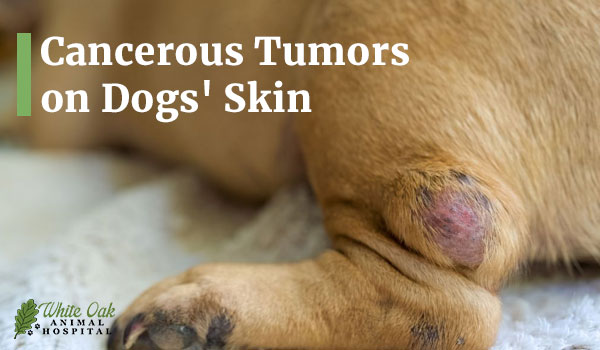

When it comes to your dog’s health, spotting cancerous tumors on dogs’ skin early can make a big difference in treatment options and outcomes. Skin cancer in dogs is more common than many pet owners realize. Tumors can develop in various shapes and sizes, and knowing what to look for can help you take action before the problem becomes severe.


In this article, we will explore five key signs of cancerous tumors on dogs’ skin that you should never ignore. We will also discuss how our integrative approach helps treat these tumors while addressing your dog’s complete well-being.
What Are Cancerous Tumors on Dogs’ Skin?
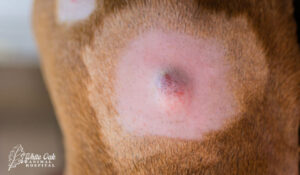

Mast cell tumors are one of the most common types of cancerous tumors on dogs’ skin. These tumors often appear as raised bumps, sometimes red or ulcerated. They can vary in size and may change in shape over time. Another common skin cancer in dogs is squamous cell carcinoma, which usually appears in areas exposed to sunlight, such as the belly or face. This type of tumor often looks like a scab or ulcer. Lastly, melanoma, which appears as dark, pigmented lumps on the skin, can also develop in dogs and is often more aggressive than other skin cancers.
The causes of cancerous tumors on dogs’ skin are not always clear, but genetics, breed, and environmental factors can play a role. Dogs with lighter coats or those who spend a lot of time in the sun may be at a higher risk of developing certain types of skin cancer. Recognizing the signs early and getting a diagnosis is important. Regular checkups and skin examinations are essential for detecting cancerous tumors on dogs’ skin before they become more advanced.
5 Signs of Cancerous Tumors on Dogs’ Skin You Should Never Ignore
When it comes to your dog’s health, recognizing the signs of cancerous tumors on the dog’s skin is essential. Early detection can make a big difference in treatment options and outcomes. Here are five key signs that you should never ignore:
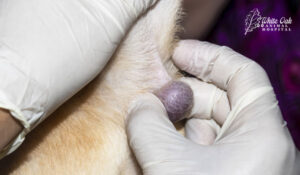
The texture of a lump is another important factor. A hard, firm lump that feels different from the surrounding tissue may indicate a cancerous tumor on the dog’s skin. A tumor that is soft or movable is more likely to be benign, but any change in texture should be checked by a veterinarian. Color changes in the skin around a tumor are also concerning. The skin may become darker or redder, especially around the tumor’s base. These changes could indicate a more aggressive form of skin cancer.
Finally, swelling around the tumor or changes in the surrounding lymph nodes could signal that the cancer has spread. Swelling around the tumor or in nearby lymph nodes is a serious sign that the cancer may be advancing and should be addressed immediately.
If you notice any of these signs in your dog, it is important to consult a veterinarian. The earlier a cancerous tumor on a dog’s skin is diagnosed, the more options there will be for effective treatment.
How Integrative Veterinary Medicine Can Help Treat Cancerous Tumors on Dogs’ Skin
Treating cancerous tumors on dogs’ skin requires a combination of Western diagnostic methods and holistic therapies to offer the best outcomes. At White Oak Animal Hospital, we believe in a comprehensive approach that integrates Western medicine with Traditional Chinese Veterinary Medicine (TCVM) to promote both healing and well-being.
Western diagnostic techniques such as biopsies help us accurately identify the presence of cancerous tumors on dogs’ skin. Once the tumor is identified, surgery or medication may be recommended to remove or shrink the tumor. While these treatments are effective, they can also come with side effects, such as pain, GI upset, and nausea. This is where integrative therapies come in.
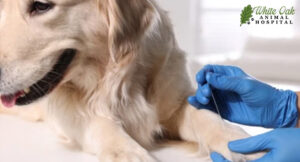
Herbal remedies are another key part of our holistic treatment plan for cancerous tumors on dogs’ skin. Certain herbs can reduce inflammation, support the detoxification process, and help strengthen the immune system. Herbal treatments, such as astragalus and turmeric, have been shown to have anti-cancer properties and can be safely used alongside traditional cancer treatments.
Food therapy is an important aspect of integrative care for dogs with cancerous tumors on dogs’ skin. At White Oak Animal Hospital, we offer personalized dietary plans that provide the necessary nutrients to support your dog’s body during cancer treatment. This helps strengthen the immune system, reduce inflammation, and provide energy for recovery.
If you notice any of the signs of cancerous tumors on dogs’ skin, it’s important to take action quickly. At White Oak Animal Hospital, we offer an integrative approach to diagnosing and treating skin tumors. By combining Western diagnostic methods with Eastern therapies like acupuncture, herbal medicine, and food therapy, we treat your dog’s condition holistically, addressing not only the tumor but also your dog’s overall health.

If you’re concerned about cancerous tumors on dogs’ skin, reach out to us at White Oak Animal Hospital for a comprehensive consultation. We are committed to providing the best possible care for your dog, using both cutting-edge medical technology and holistic treatments.
Frequently Asked Questions
What are the most common types of cancerous tumors on dogs’ skin?
The most common types of cancerous tumors on dogs’ skin include mast cell tumors, squamous cell carcinoma, and melanoma. Each type has its own characteristics, and a veterinarian can help determine the type through a biopsy.
How do I know if a lump on my dog’s skin is cancerous?
Lumps on your dog’s skin may not always be cancerous. However, if the lump changes in size, shape, or color, bleeds, or becomes firm, it could be a cancerous tumor on the dog’s skin. Any suspicious lumps should be examined by a vet for proper diagnosis.
Can cancerous tumors on dogs’ skin be treated?
Yes, treatment options for cancerous tumors on dogs’ skin may include surgery or medication. Additionally, integrative therapies such as acupuncture and herbal medicine can help alleviate pain, reduce inflammation, and support recovery.
What can I do to help prevent cancerous tumors on dogs’ skin?
While genetics play a role, you can help prevent certain types of skin cancer by limiting sun exposure, regularly checking your dog’s skin for lumps, and maintaining a healthy diet. Integrative care, including acupuncture and food therapy, can also support your dog’s overall health.
How can telemedicine consultations help with treating cancerous tumors on dogs’ skin?
Telemedicine allows you to consult with our veterinarians remotely, providing guidance on your dog’s treatment plan and progress. It’s a convenient way to ensure your dog is receiving the best care without frequent office visits.